Most car detailing mistakes come from too much force, the wrong product or rushing. Dry wiping dusty paint, using one cloth for everything, scrubbing stains and polishing without a plan can do more harm than the dirt itself.
You do not need professional equipment to keep a car clean. You need clean tools, suitable products, realistic expectations and the sense to stop when a job is beyond normal home care.
1. Wiping Dust Off Dry Paint
Dust and fine grit scratch when they are dragged across the clear coat. A quick wipe with a dry cloth can leave fine marks that show up in sunlight. Rinse first. Rinseless and waterless products can work well within their limits, but they are not permission to rub a muddy car.
2. Using The Same Tools On Wheels And Paint
Wheels collect brake dust and road grime you do not want near your paint. Keep separate brushes, mitts and towels for the wheels, retire any towel that has been dropped, and wash microfibre the way its label says.
3. Reaching For Household Cleaners
A kitchen or bathroom product is not made for paint, leather, soft-touch plastics or screens. Strong degreasers can stain, dry out or strip surfaces. Use a car product made for the material, follow the dilution and test it somewhere hidden first.
“Natural”, “ceramic” and “professional strength” are marketing words, not proof that a product suits a surface.
4. Washing In Direct Sun Or On Hot Panels
Heat dries shampoo and water too quickly, leaving spots and streaks. Work on cool panels and wash one section at a time. A windy Wellington day does the same thing: the wind dries water fast and blows grit onto wet paint, so pick a sheltered spot. If there is no safe spot at home, a mobile detailer can work wherever the car is safely parked, such as a garage or a work car park.
5. Scrubbing Bird Droppings And Sap
Bird droppings, bugs and sap can bond to paint or mark it, and rubbing adds scratches on top. Soften the residue and lift it gently. Cleaning removes the deposit but not always the mark it left behind; an etched mark may need polishing, and hardened sap may need a professional.
6. Treating A Clay Bar As A Normal Wash Step
A clay bar removes bonded contamination, but it can also mar paint. Use it when the paint needs it, with plenty of lubrication, not on every wash. Chemical decontamination can deal with some deposits with less rubbing, depending on what they are.
If your paint feels rough, Kamran can include a clay bar in the Full Professional Mobile Detail when you ask.
7. Trying To Polish Every Scratch Away
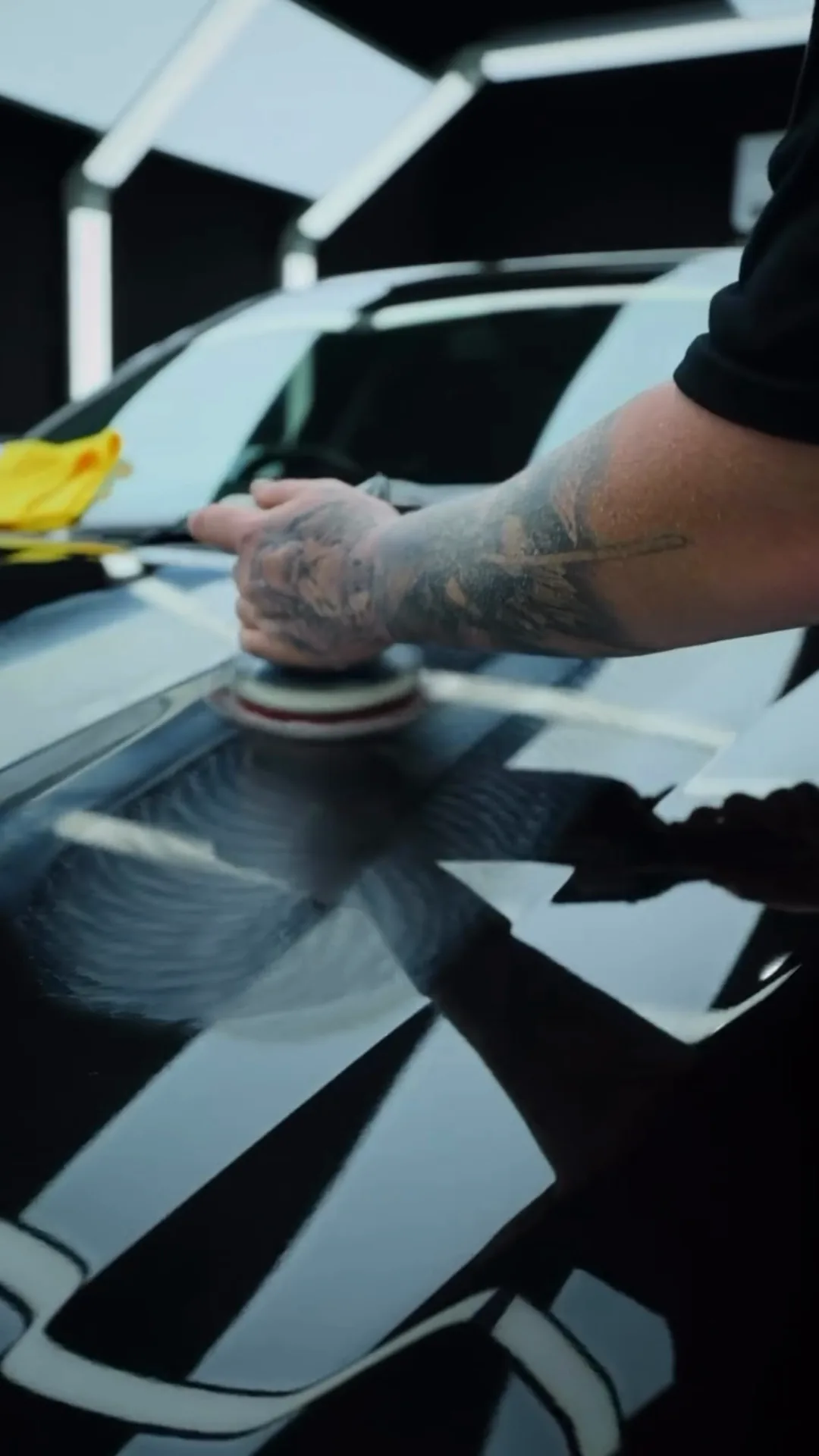
Machine polishing levels a very small amount of clear coat around a defect. It is not unlimited. A scratch through the clear coat cannot be polished out safely, and every correction leaves less clear coat for the future. The goal is the best safe improvement, not perfection, so ask about paint correction before attacking a scratch at home.
8. Soaking Interior Materials
More liquid does not mean a deeper clean. Too much moisture spreads stains, soaks into foam, affects adhesives, reaches electronics and takes a long time to dry. Remove any solids and blot a spill before adding any product.
For smells, find the source rather than covering it. Mould, bodily fluids, water leaks and hazardous contamination may need a specialist.
9. Shiny Dressing On Every Surface
Over-applied dressing attracts dust, causes glare and makes steering wheels and pedals slippery. Most modern interiors are meant to look low-sheen. Clean first, protect only where it suits the surface, and buff off the excess.
10. Expecting Protection To Replace Washing
Wax and ceramic coatings still need cleaning, and neither stops scratches or stone chips. A ceramic coating makes washing easier, not unnecessary. No protection lets you ignore bird droppings, mineral deposits or poor washing for long. Follow the maintenance advice for the product actually on your car.
11. Comparing Packages By Name Alone
“Mini detail”, “full detail” and “premium” mean different things at different businesses. Compare the written inclusions, the exclusions, the expected result and the products, not just the headline or the price. Prestige spells out what sits outside its Full Detail: paint correction or polishing, iron decontamination and engine bay detailing.
12. Waiting Until A Problem Is Severe
Fresh spills and recent contamination are far easier to deal with than old ones that have been scrubbed at for months. Acting early does not mean panicking: it means a safe first response, and asking for advice when the right method is unclear.
A Safer Home Detailing Checklist
- Look closely before you choose a product.
- Use clean, separate tools for each area.
- Start with the gentlest method that could work.
- Follow the product directions and dilution.
- Test delicate surfaces first.
- Work in manageable sections.
- Look after any protection with compatible products.
- Stop when you are unsure.
Know When To Ask A Professional
Home maintenance is valuable, but correction, unknown stains, stubborn smells and delicate surfaces carry more risk. Kamran works on every vehicle himself and comes to your home or workplace anywhere across Wellington, and the Full Professional Mobile Detail is the place to start.