A professional car detail should be clear from the start. You should know what is being done, where, by whom and for what price before any work begins. On the day, the car should be looked over, the agreed work completed and the result explained.
Here is how a detail generally runs, and where it works differently with a fully mobile service like Prestige.
1. The Enquiry
Have this ready:
- The make and model
- Where the car will be parked
- What bothers you most
- Any stains, smells, pet hair or sand
- Any recent paintwork or existing coating
- The days that suit you
The Prestige enquiry form asks for your vehicle, your suburb and your availability, with room for a note.
Photos help with planning, but they will not show a smell, the full extent of pet hair or every paint defect, so some quotes depend on seeing the car. If you have a budget in mind, say so: it helps the detailer suggest the right scope.
2. Choosing The Right Service
A good detailer turns your goal into a scope. If the cabin is the problem, the interior matters most. If swirls are the problem, the paint needs attention, not a fancier interior clean. Ask what “polish”, “protection” and “full detail” mean in that exact package: none of them has a universal checklist.
At Prestige, every job is custom quoted on the vehicle's type, size and condition. That covers the Full Professional Mobile Detail and the Mobile CQuartz Ceramic Coating, while cut and polish and paint correction are quoted by Kamran over the phone.
3. Agreeing The Quote
A fixed price should tell you what it covers. A custom quote should explain what could change it, such as heavy pet hair or paint in worse shape than described. Any change should be discussed with you first, never added at the end.
Heavy pet hair, a car full of belongings, biohazard contamination or extra work you ask for on the day can all change the scope. Equally, do not read a starting price as a guaranteed total when the business has said the condition needs to be seen first.
4. Preparing The Car
- Remove valuables, documents and loose items.
- Take child seats out if you want underneath them cleaned.
- Empty the boot.
- Point out delicate aftermarket accessories.
- Mention water leaks, electrical issues or recent repairs.
- Make sure the car is parked somewhere it can be worked on.
Clearing the car means the time you pay for goes on the car, not on sorting through your belongings.
5. Arrival
With a mobile service, the detailer comes to you. Kamran brings a fully professional mobile set-up to your home or workplace anywhere across Wellington, 7 days a week by appointment.
A quick walk around the car before work starts is a good moment to point out any existing damage and the areas that matter most to you.
6. During The Detail
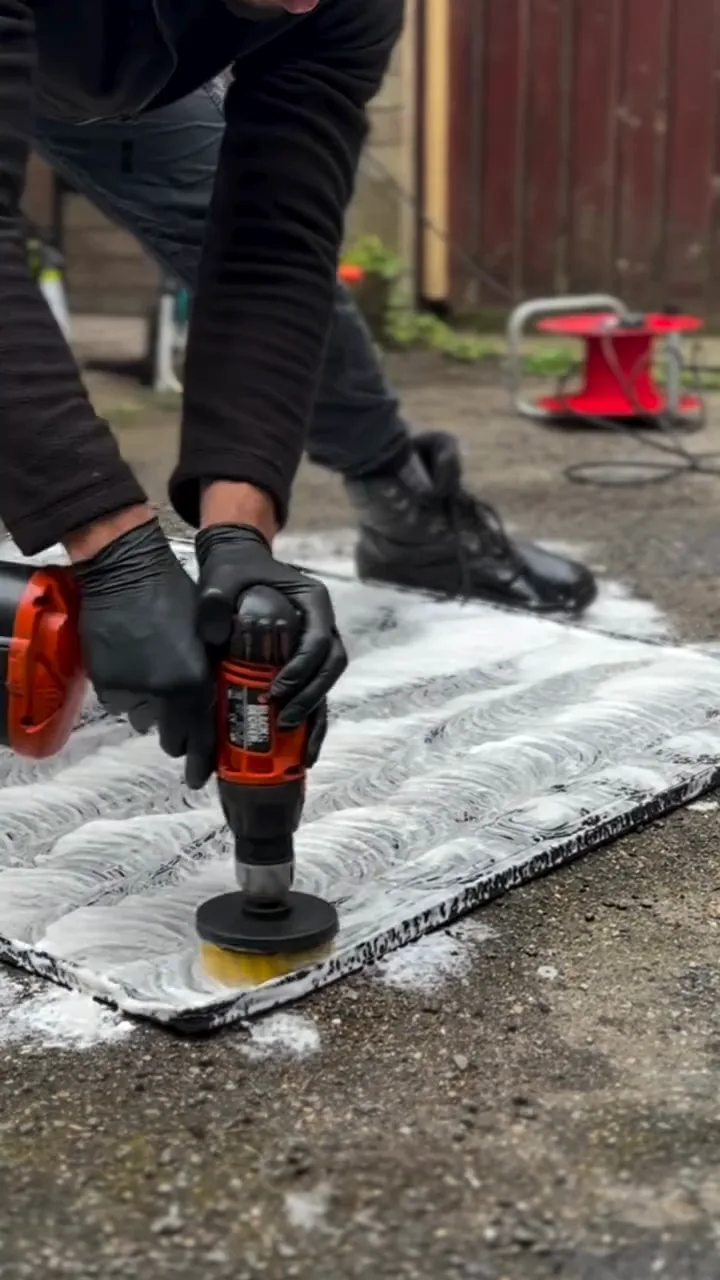
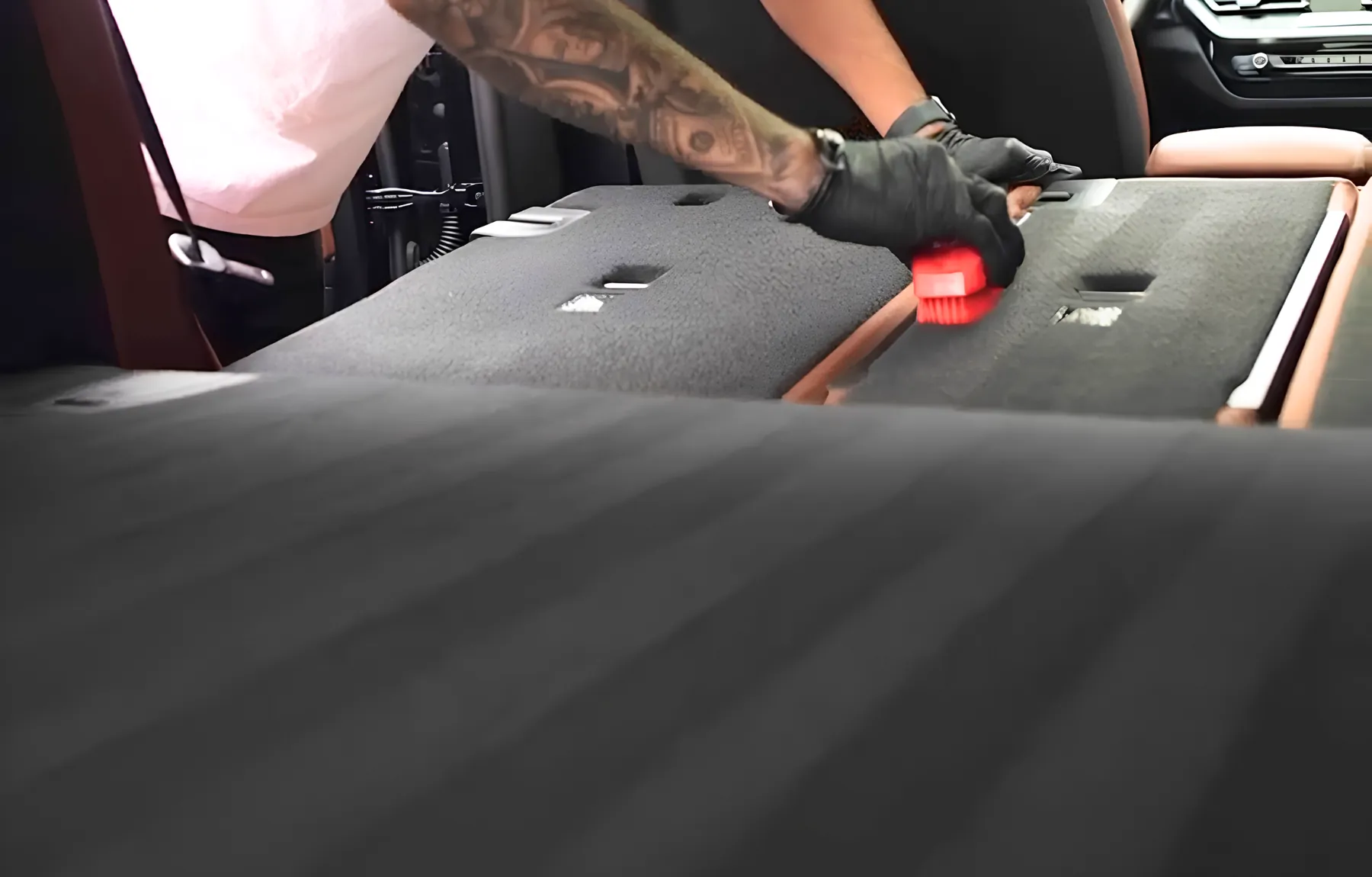
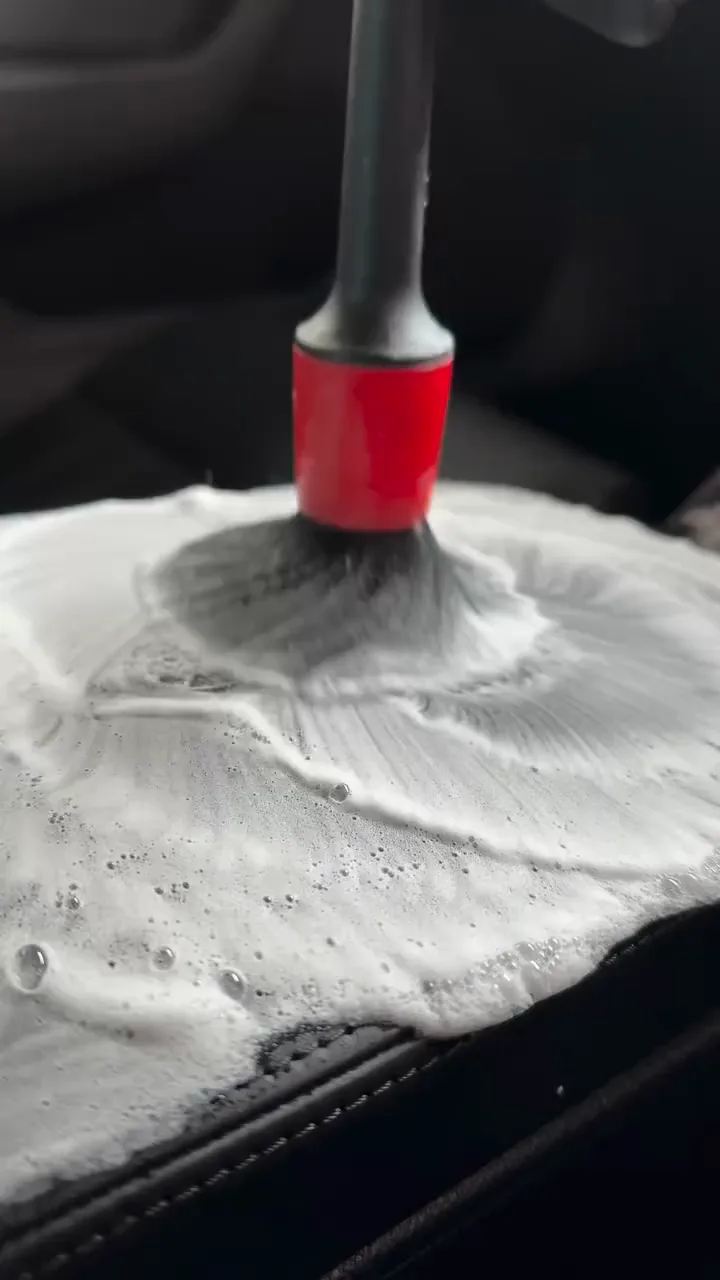
Exterior work generally moves from the least contact to the most: wheels and a rinse first, then a careful wash and drying. Interior work starts by removing loose debris, then moves surface by surface with products chosen for each material.
Damp-cleaned areas need airflow and drying time before the car is closed up again.
It is careful work, and it takes as long as the car needs. One Google review describes Kamran spending 9.5 hours on a work van and a car.
7. Updates Along The Way
A detailer may get in touch if something material turns up: scratches deeper than the photos showed, a spill below the carpet, mould, or work outside the agreed scope.
You decide whether to approve extra work, keep the original scope or look for a specialist. Silence should never be treated as permission to add cost.
8. Realistic Results
A professional detail should deliver the agreed work to a high standard. It cannot repair torn upholstery, replace failed clear coat or guarantee every stain and scratch disappears.
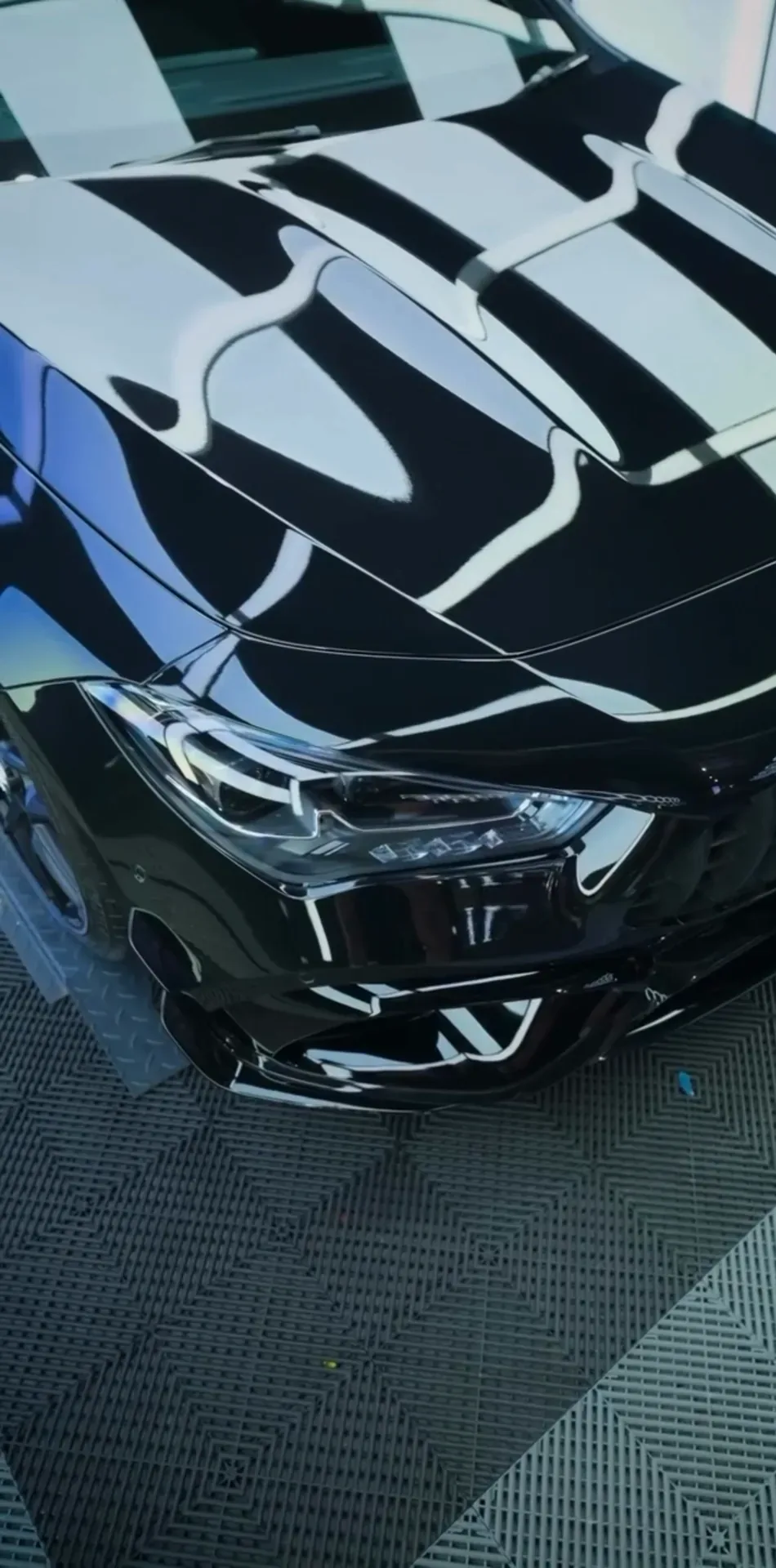
Polishing reduces defects within safe limits, and stain treatment depends on the material and the damage. Protection makes upkeep easier but does not stop physical damage.
9. Looking Over The Finished Car
Look over the car once it is done, ideally in good light. Ask what improved, what remained and why, whether any areas are still damp, and when it can next be washed. Raise anything you are unsure about straight away, while the detailer is still there. The agreed scope makes that conversation easy.
10. Keeping It That Way
Regular safe washing, a tidy cabin and quick action on bird droppings keep the result going. Avoid dry wiping, brush car washes and unknown chemicals on protected or delicate surfaces, and follow any instructions for a coating. Our guide to maintaining your car after detailing covers the routine.
Mobile Or Studio: What Changes?
With a studio, you drop the car off and collect it, so ask how long it will be kept, whether it stays indoors and when you can drive it. With a mobile service the work happens where the car is parked, so the spot, the weather and access matter more, and you can carry on with your day.