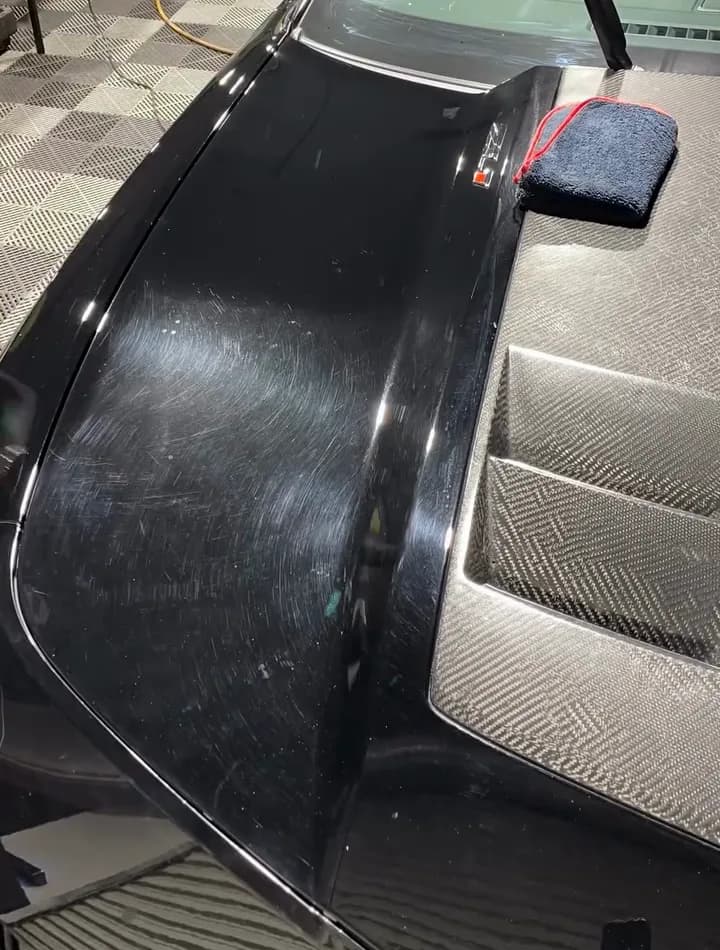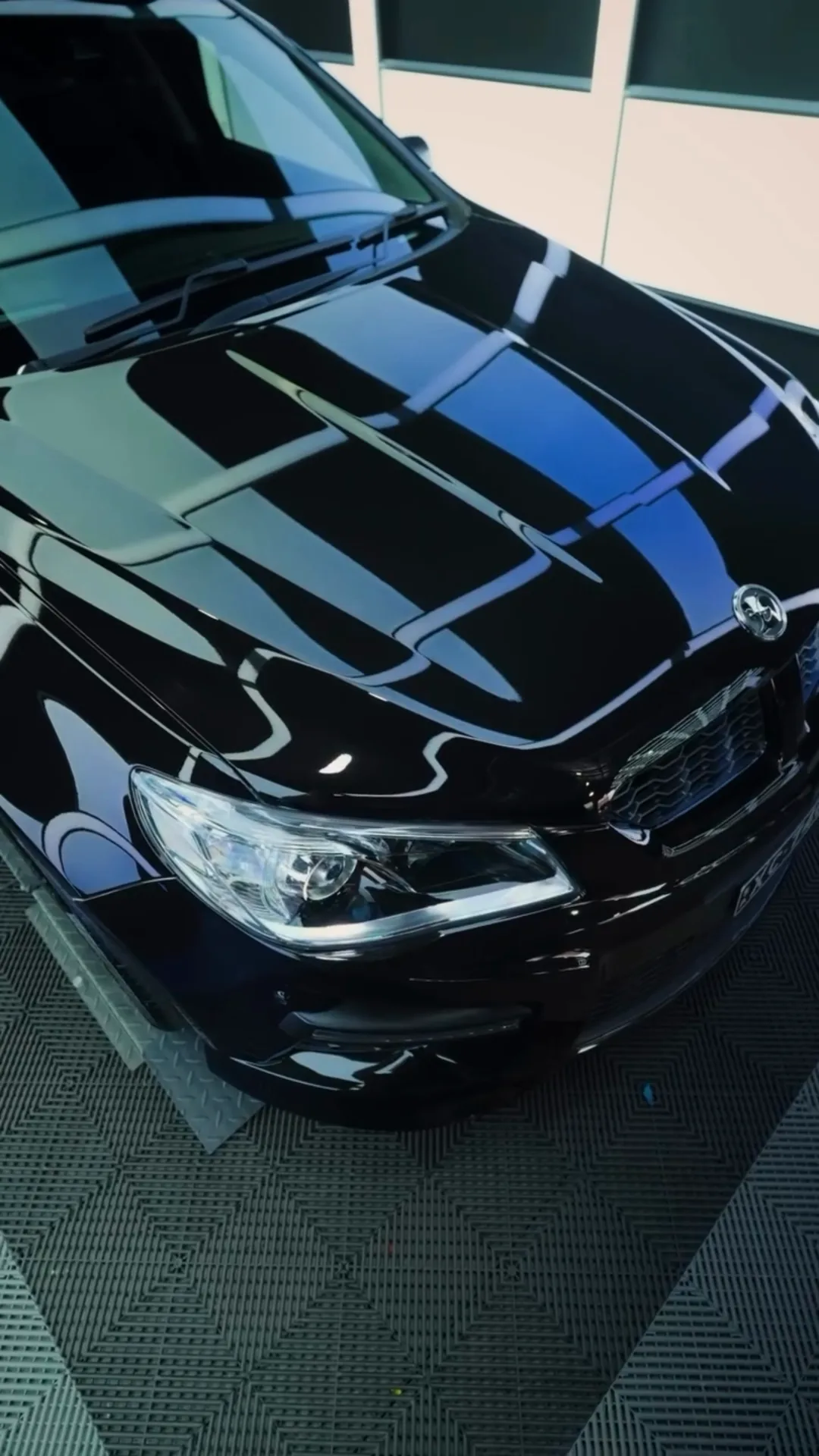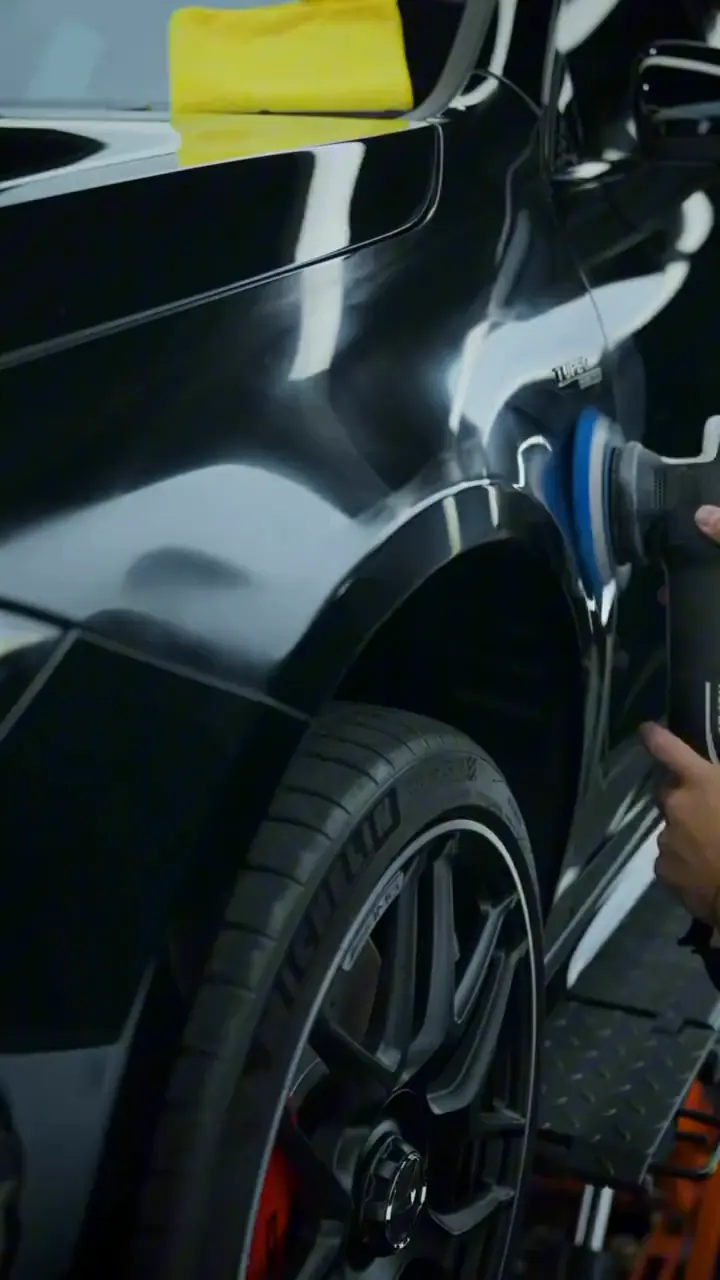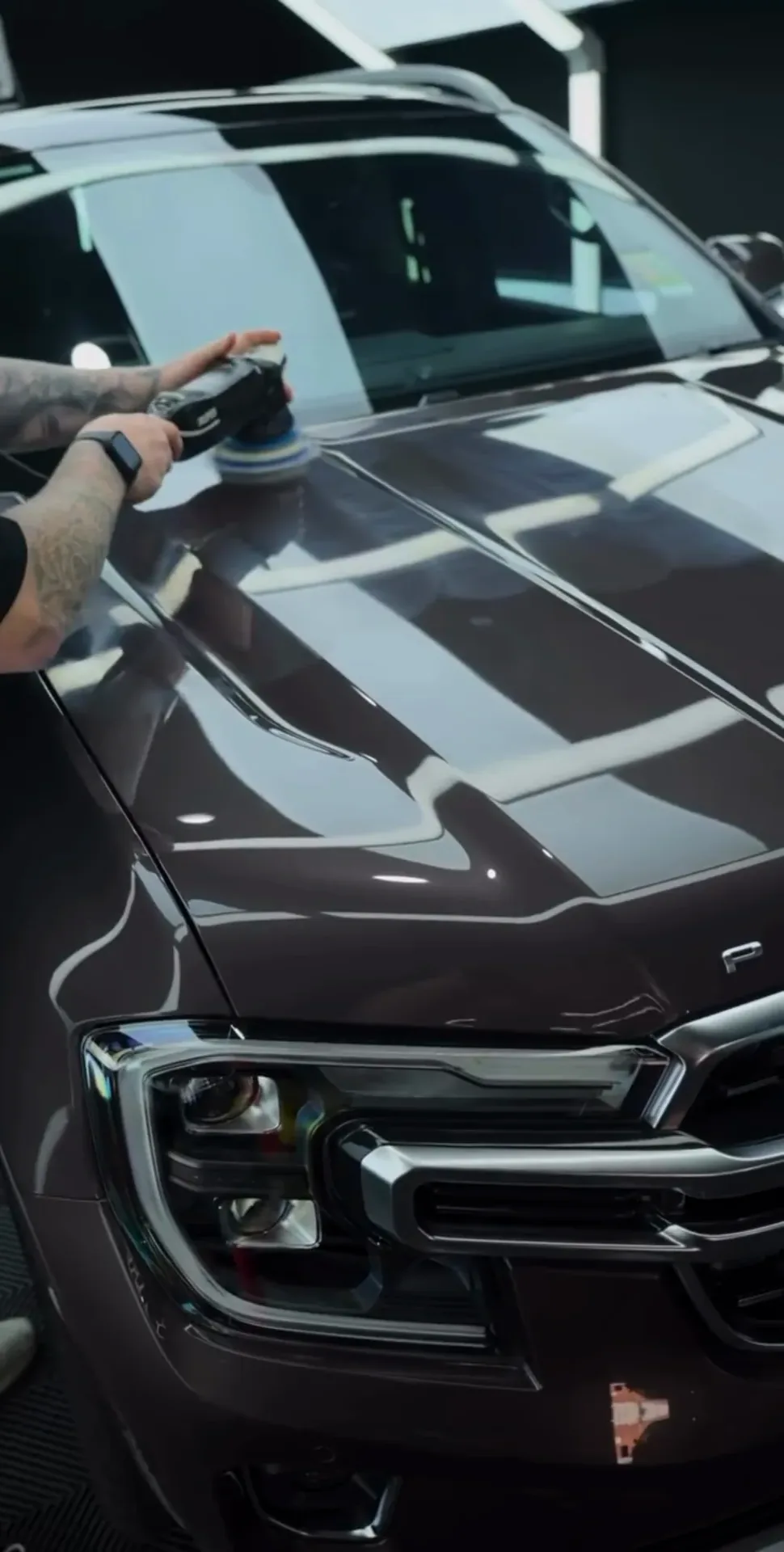
Paint correction and polishing are not opposites. Polishing is the process of using a machine, pads and abrasives to refine paint. Paint correction is a goal-led use of that process to reduce identifiable defects as safely as possible.
The trouble is that “polish” gets used for everything from a quick gloss lift to a hand-applied glaze. Always ask what a service will actually do to your paint.
The Short Answer
- Machine polishing refines the surface. How much it changes depends on the pad, the abrasive and the technique.
- A one-step polish prioritises gloss and lighter defects in a single stage.
- Cut and polish adds a cutting stage for dull, oxidised or tired paint, then refines it.
- Paint correction targets swirls, haze and marring in as many stages as the paint needs.
- A glaze or filler hides some marks for a while without removing them.
How Prestige Offers Each Level
- A one-step polish, added to the Full Professional Mobile Detail.
- Cut and polish, custom quoted by Kamran over the phone.
- Paint correction, custom quoted by Kamran over the phone.
All of it is done at your home or workplace, anywhere across Wellington.
What Happens During Machine Polishing
A machine moves a pad across the paint with a polish. The combination of pad, product, speed, pressure and arm movement decides how much clear coat is removed and how refined the finish becomes.
Polishing should always follow a proper wash, decontamination and a look at the paint, because polishing dirty paint drags grit across it and creates new marks.
What Makes A Service Paint Correction
Correction starts with the defects you can see and a result you agree on. The work then goes panel by panel, checking the finish and adjusting as the paint changes. It is not defined by a set number of passes or a promised percentage. Keeping enough clear coat for the future sets the limit.
Is A One-Step Polish The Same Thing?
The terms are often swapped for each other, but the scope can differ. One provider uses a finishing polish to lift gloss; another uses a stronger one-step combination to take out more defects. The hardness of the paint and the pad chosen change the result too. Ask:
- What result are you aiming for?
- Are fillers or glazes used?
- Is a small area polished first?
- What protection follows?
- Which defects are likely to remain?
Does Polishing Remove Scratches?
It can reduce scratches that sit within the clear coat. Scratches through the clear coat need touch-up or refinishing and should be left rather than chased. The fingernail test is a rough clue, not a guarantee: the paint's history, edges, earlier correction and its overall thickness all matter.
Which Does A Daily Driver Need?
Many daily drivers do best with a restrained polish that lifts the overall gloss and leaves deeper marks alone. A dark car under strong light, or a car about to be coated, may justify more.
The result only lasts as long as the washing allows. Brush car washes and dirty towels put swirls straight back, and Wellington wind drops grit on cars parked outside, so a proper rinse before any contact matters.
Which Should Come Before Ceramic Coating?
Whatever level gets the finish you want without removing more clear coat than necessary. Coating needs clean paint; correcting defects is optional. A near-perfect car may need no polishing. A swirled one may need correction if you want it improved. The Mobile CQuartz Ceramic Coating then locks that finish in.
Does Polishing Damage Paint?
Good polishing removes a controlled amount of clear coat. Poor technique, contamination, heat or chasing deep defects causes damage. Even good correction cannot be repeated forever, which is why a careful look at the paint and restraint matter more than marketing claims.
What Should Happen After Polishing?
Polishing residue is removed, the finish is checked and the paint is protected. Wax or a sealant gives renewable protection; a ceramic coating gives longer-term protection with more preparation. Choose based on how the car is used, not the most expensive option by default. Our ceramic coating vs wax comparison sets out the trade-offs.
Does Hand Polishing Count?
Hand-applied abrasive polish can improve a small area, but it rarely matches machine work for consistency across a whole car. A hand-applied glaze may only fill the defects. Ask whether material is actually being removed, what result is intended and how the finish will be checked.
How To Compare Quotes
Ask each provider what preparation is included, the result they are aiming for, whether fillers are used and what protection follows. A short gloss polish and a full correction are not competing versions of the same service.
A useful quote also explains what happens if the paint responds less well than hoped: you should be able to accept a lighter result, approve more work or stop before the whole car is polished. Two careful stages can be better than a long list of vague ones.
Compare Outcomes And Limits
The right level is the least aggressive one that gets the finish you want. At Prestige, the one-step polish is an add-on to the Full Detail, while cut and polish and paint correction are quoted by Kamran over the phone once he hears about the car, so you can weigh the options before anything is booked.