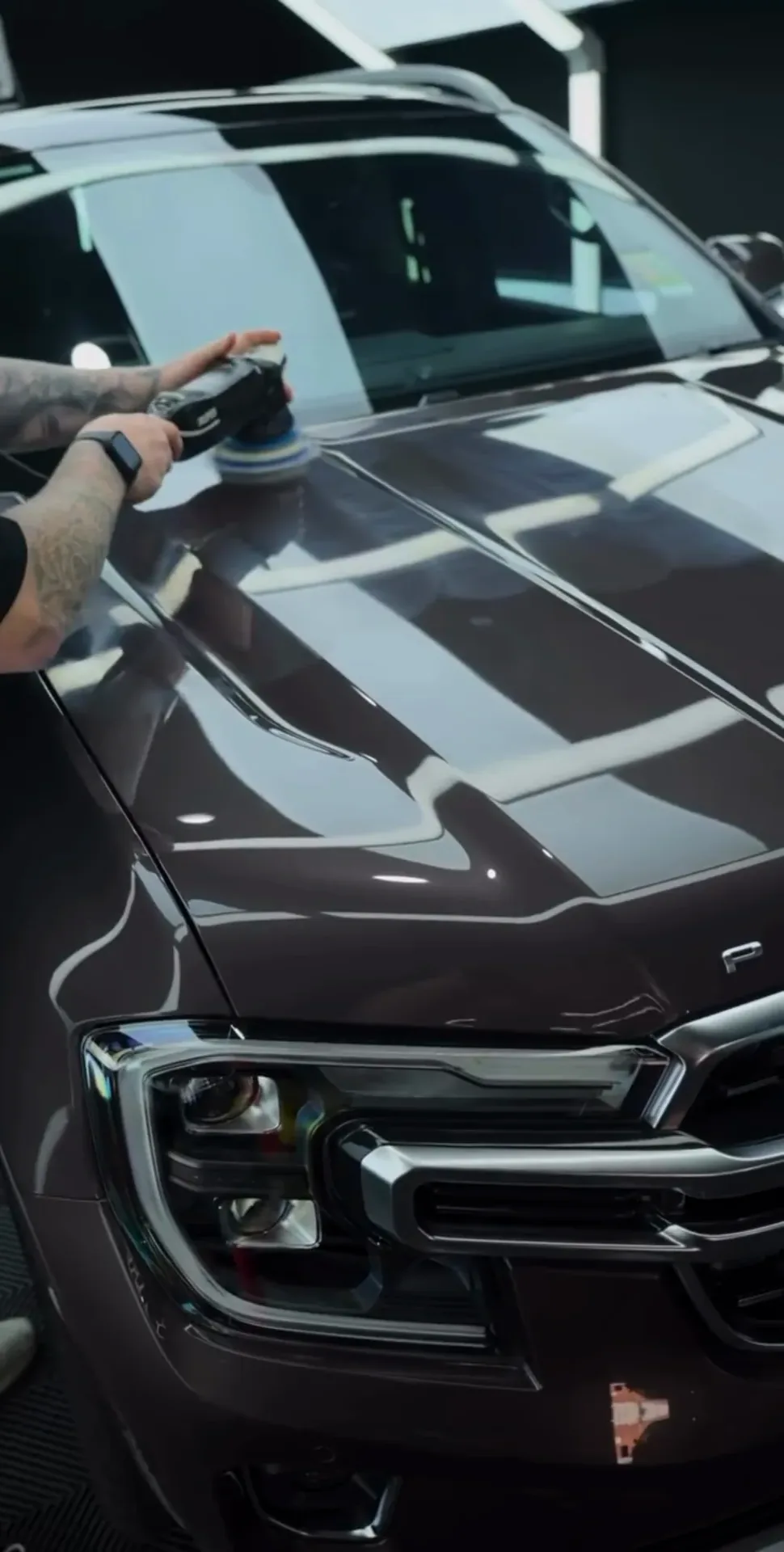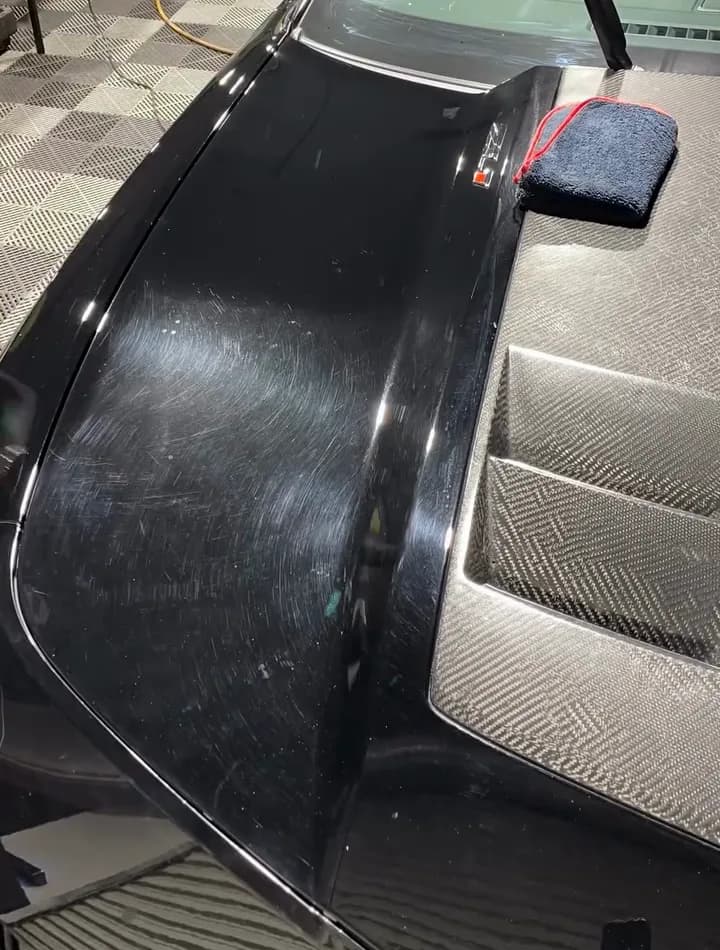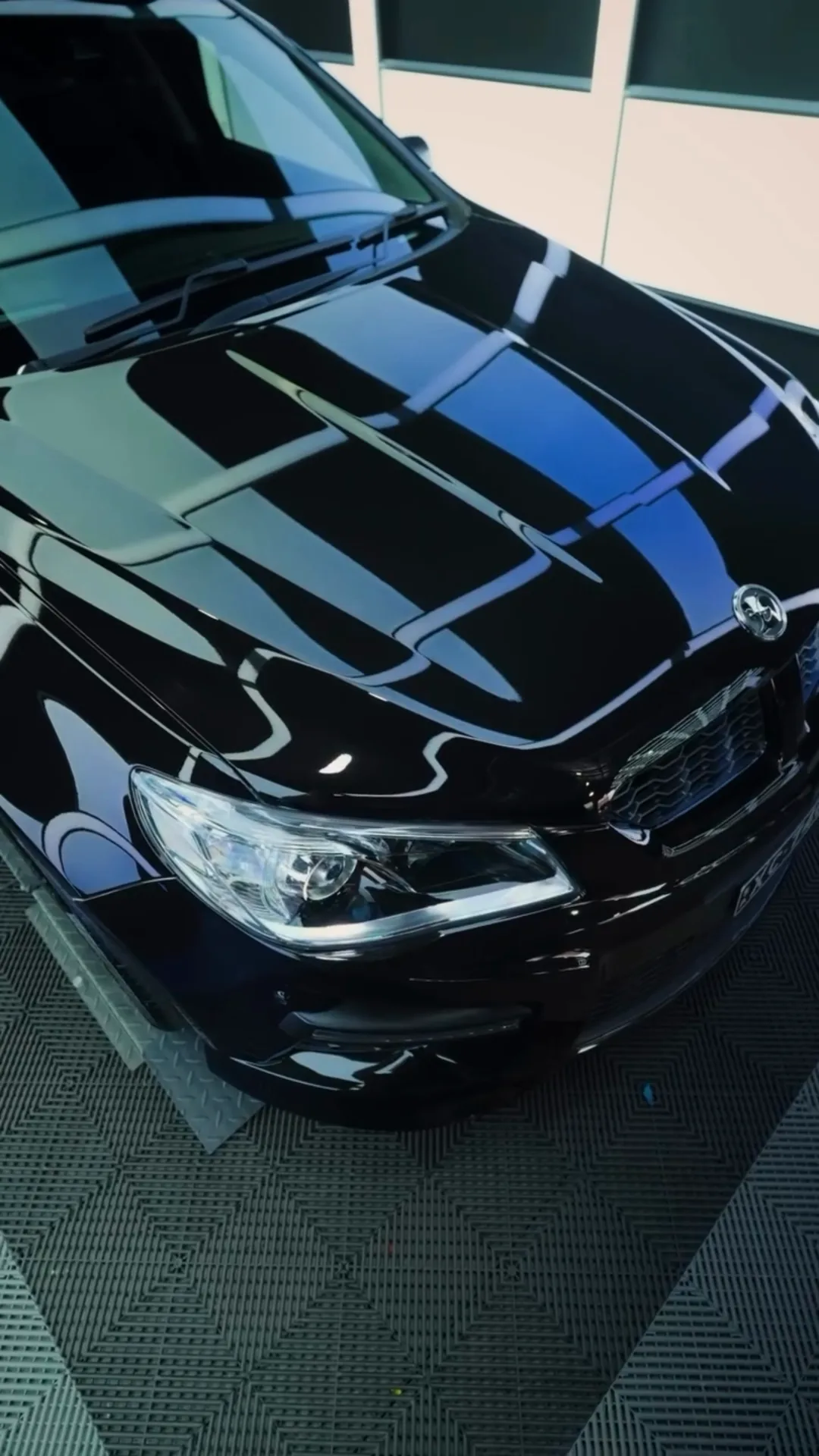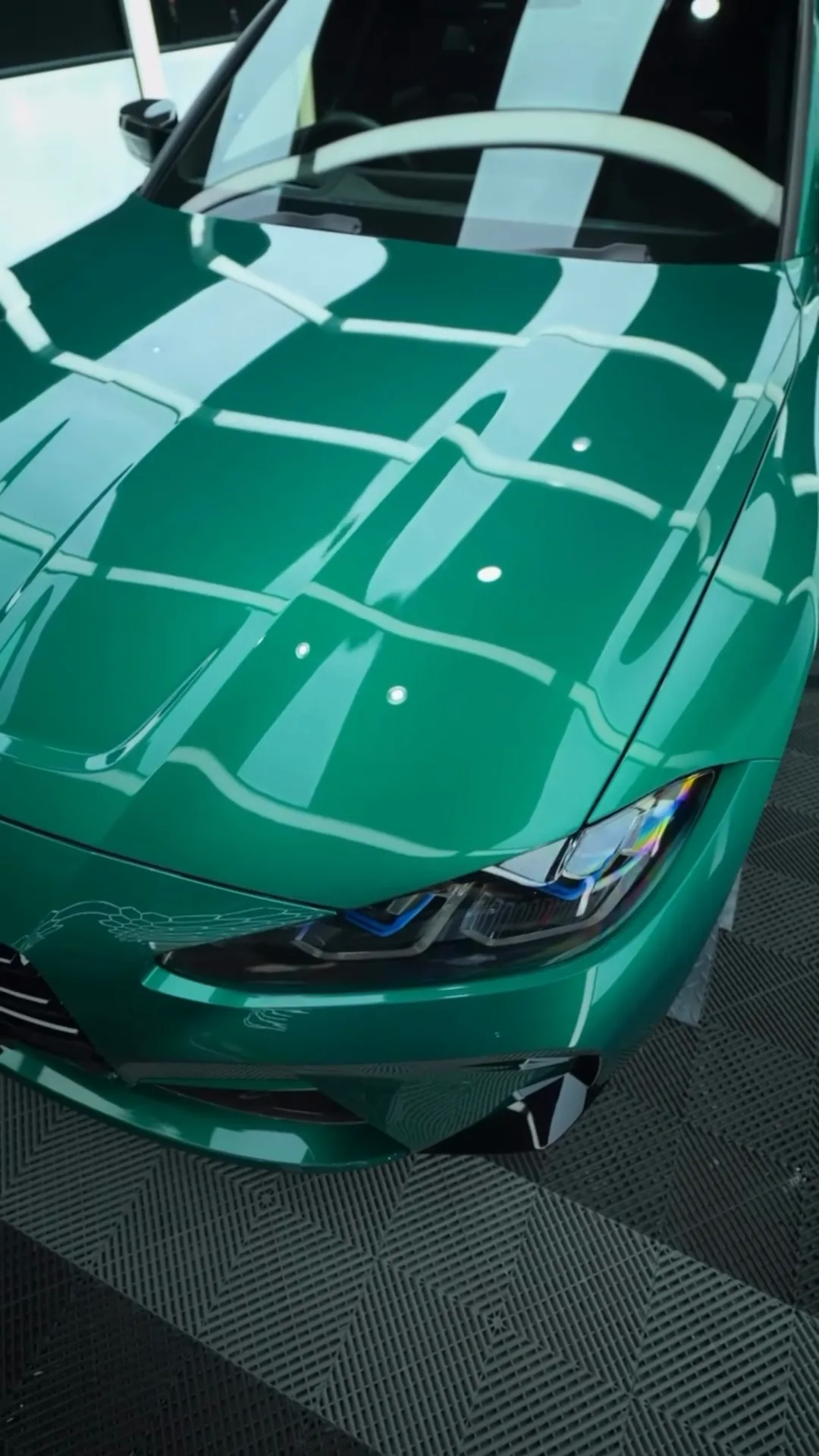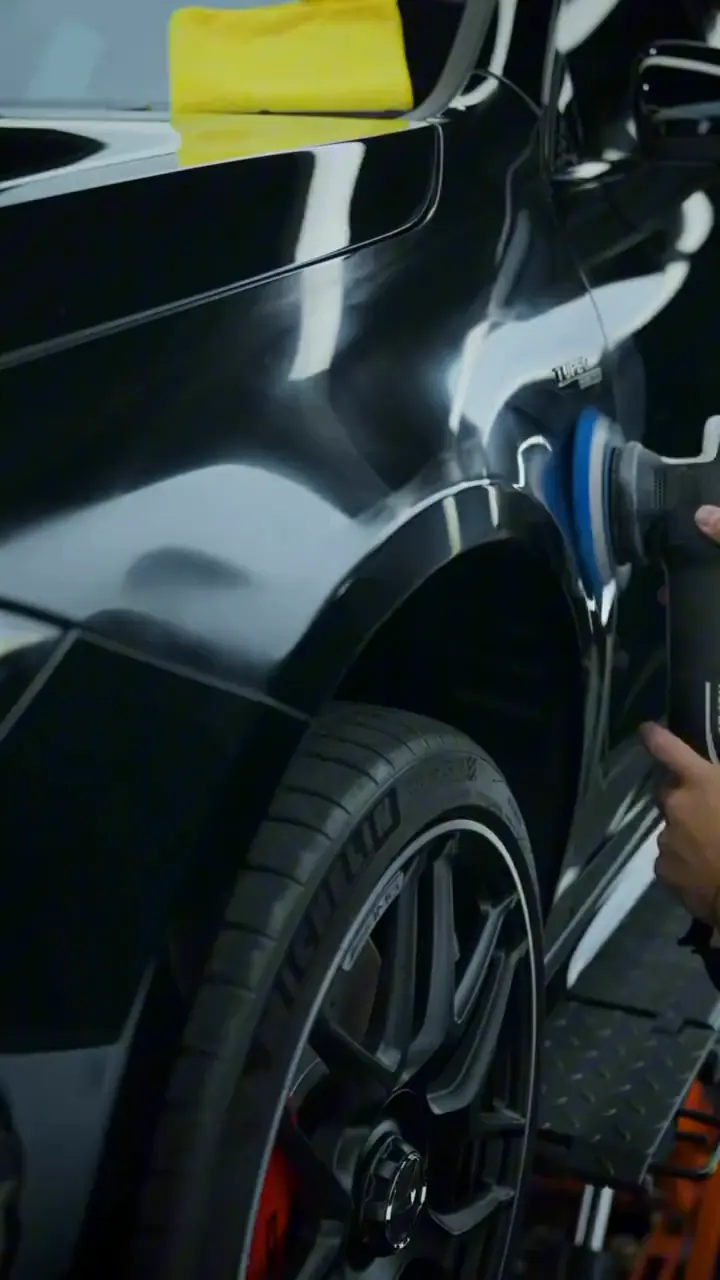
Paint correction is a controlled machine polishing process that removes a very small amount of clear coat to reduce defects such as swirl marks, haze, light oxidation and some scratches. It improves how the paint reflects light. It is not a clean, and it is not a filler that hides damage for a few weeks.
Your car may benefit if clean paint still looks dull or marked and the improvement matters to you. It may not need correction if the finish already satisfies you, if the defects are too deep, or if the paint is too thin or unstable to polish safely.
What Paint Correction Can Improve
Depending on how deep the defects go and the condition of the paint, correction can reduce:
- Swirl marks from washing
- Fine scratches within the clear coat
- Haze and holograms from poor polishing
- Light oxidation on suitable paint
- Some water spot etching
- Transfer marks and light scuffs
- Lost clarity from years of fine marring
Results vary panel by panel. A scratch that catches your fingernail, or shows colour or primer, is unlikely to polish out safely.
What Paint Correction Cannot Fix
- Stone chips
- Dents
- Scratches through the clear coat
- Peeling or failed clear coat
- Cracked paint
- Rust
- Etching too deep to remove safely
- Poor repairs that do not match the colour or texture
Those need touch-up, dent repair or a panel beater. An honest detailer will tell you when polishing is not the answer.
How Paint Correction Generally Works
Every detailer works a little differently, but correction generally follows this order.
Clean And Decontaminate
The paint must be free of loose and bonded dirt, so the polishing pad does not drag grit across it.
Inspect In Good Light
Defects, earlier repairs, edges and high points are found before any machine touches the car. Paint thickness readings can add context, but they cannot say exactly how much clear coat is left on every panel.
Try A Small Area First
A small section is polished first to see how the paint responds, so the plan for the whole car is realistic.
Correct Panel By Panel
One or more polishing stages level the defects. More stages refine the finish further, but take longer and remove more material.
Protect The Result
A corrected finish deserves protection, though no protection makes paint scratch-proof. Many owners follow correction with a CQuartz ceramic coating, so the finish they lock in is the one they paid for.
One Stage Or Several?
A single polishing stage balances defect reduction and gloss, and suits many daily drivers. Multi-stage correction adds a cutting stage followed by refining, for greater defect reduction where the paint allows.
Package names vary from business to business, so compare the result each one is aiming for, not the number of stages on the menu.
Prestige covers both ends. For a lighter lift in gloss, a one-step polish can be added to the Full Professional Mobile Detail. Full paint correction and cut and polish are custom quoted by Kamran over the phone.
Does A New Car Need Paint Correction?
Only if it has defects you want improved. Some new cars arrive with swirls or water spots from transport and storage; many do not. Polishing a perfect finish just removes clear coat for nothing.
Does Paint Correction Last?
The defects that are actually removed do not come back, but new ones can be put in by poor washing. Some products contain fillers that make paint look corrected for a few washes, so ask whether a service is genuine machine correction or a glaze that fills marks for a while.
Safe washing is what keeps the result. Our guide to what causes swirl marks explains how to stop them returning.
How Much Clear Coat Does It Remove?
It varies with the pad, the polish, the technique, the hardness of the paint and how far the defects go. A careful detailer removes only as much as the result needs. Paint gauges sold to consumers usually measure the whole paint film rather than the clear coat alone, so a single reading needs interpreting with care.
That is why correction is not routine maintenance. Better washing protects a finish far more than polishing it every year.
Before Your Paint Is Looked At
Mention any repainted panels, touch-ups, existing coatings and earlier polishing when you enquire. Avoid applying a glaze or wax in the days before, because fillers can hide the real condition of the paint.
Can Correction Help When You Sell?
It can improve photos and first impressions, but it cannot promise a higher price. On an ordinary used car, a restrained single-stage polish is often more proportionate than multi-stage correction. Weigh the visual benefit against the value of the car and anything mechanical that needs doing first. More in can detailing increase resale value.
Does Your Car Need It?
Paint correction is worth considering when:
- The paint is clean but visibly swirled or hazy
- You want the finish improved before a ceramic coating
- You are selling and the paint is letting the car down
- You understand that deeper defects may remain
Skip it, or keep it light, when preserving the clear coat matters most, when the finish already satisfies you, or when the damage needs a repair instead.
Start With The Paint
Good correction starts with what your paint actually needs and how far it can safely go, not a promised percentage. Prestige paint correction is done at your home or workplace anywhere across Wellington, and Kamran quotes it over the phone once he has heard about the car.