Car detailing can improve how a car presents, make it easier for buyers to assess and help keep its surfaces in good condition over the years. It can help a well-kept car make a stronger first impression. It cannot guarantee a higher sale price or stop depreciation.
Resale value still comes down to the make and model, age, kilometres, mechanical condition, history and the market on the day. Treat detailing as part of good ownership and good presentation, not as a promise of a fixed return.
How Detailing Helps When You Sell
It Improves The First Inspection
A clean exterior, clear glass and a tidy cabin let buyers focus on the car instead of the dirt. It signals care, though it never replaces service records or an independent inspection.
It Makes Better Listing Photos
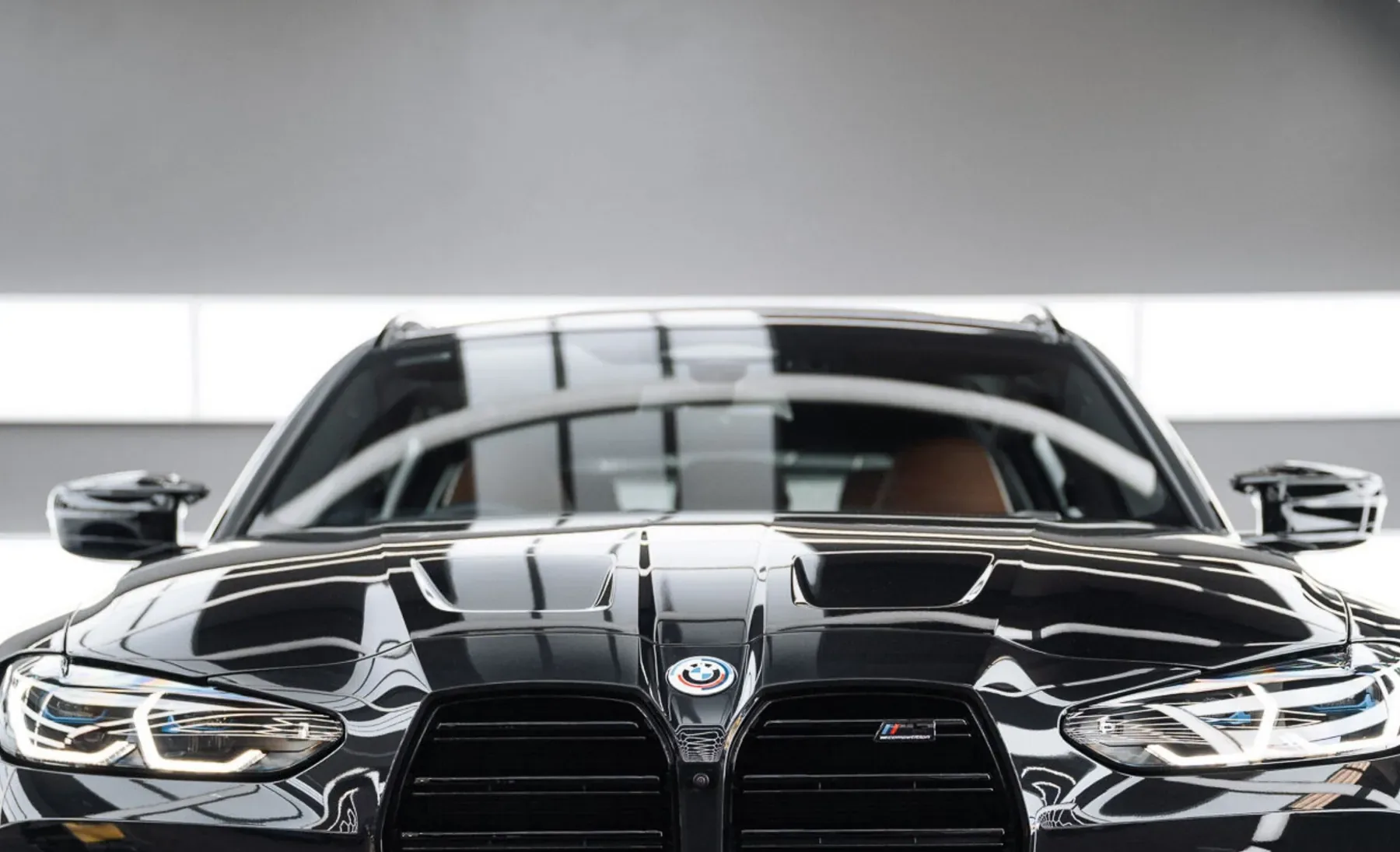
Clean paint reflects evenly and a tidy interior photographs well. Skip heavy dressings that create glare or make surfaces look wet. Honest photos build more trust than edits that hide the condition.
It Deals With Manageable Problems
Bonded contamination, light interior grime, many stains and some paint defects can be improved. Deep scratches, failed paint, torn upholstery and mechanical faults need repair, not detailing.
It Shows The Real Condition
Cleaning can reveal chips and wear that dirt was hiding. That helps you describe the car honestly and avoids surprises when a buyer looks closely.
Does Detailing Raise The Price?
Not definitely. Nobody can honestly guarantee a detail will add more value than it costs. A buyer may pay more for a cleaner, better-presented example, but the final price is shaped by the whole car and the market on the day. Think about sale readiness instead: a well-presented car can attract more interest and fewer objections. For a low-value or damaged car, a basic clean may be the sensible spend.
What Buyers Notice First
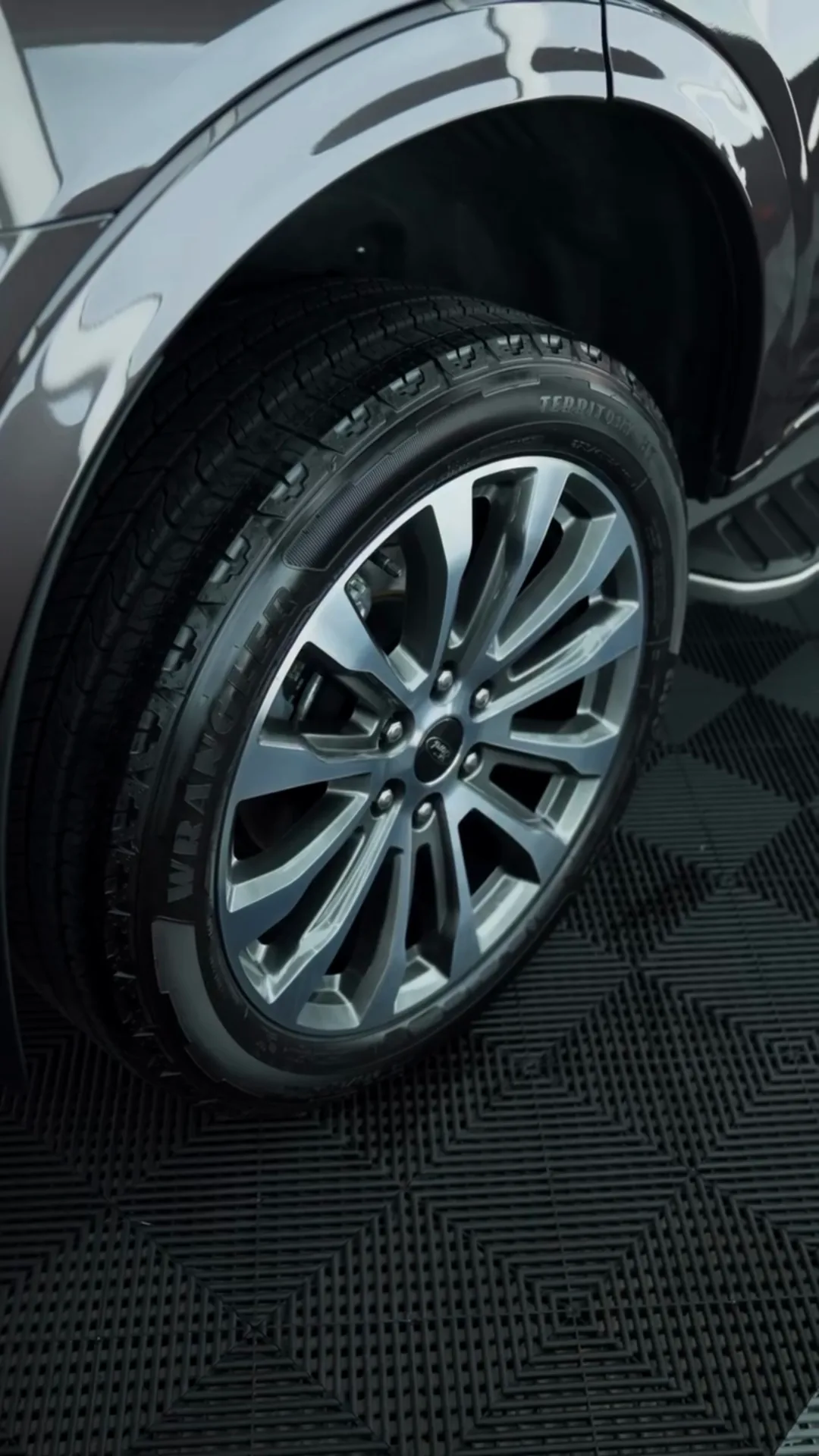
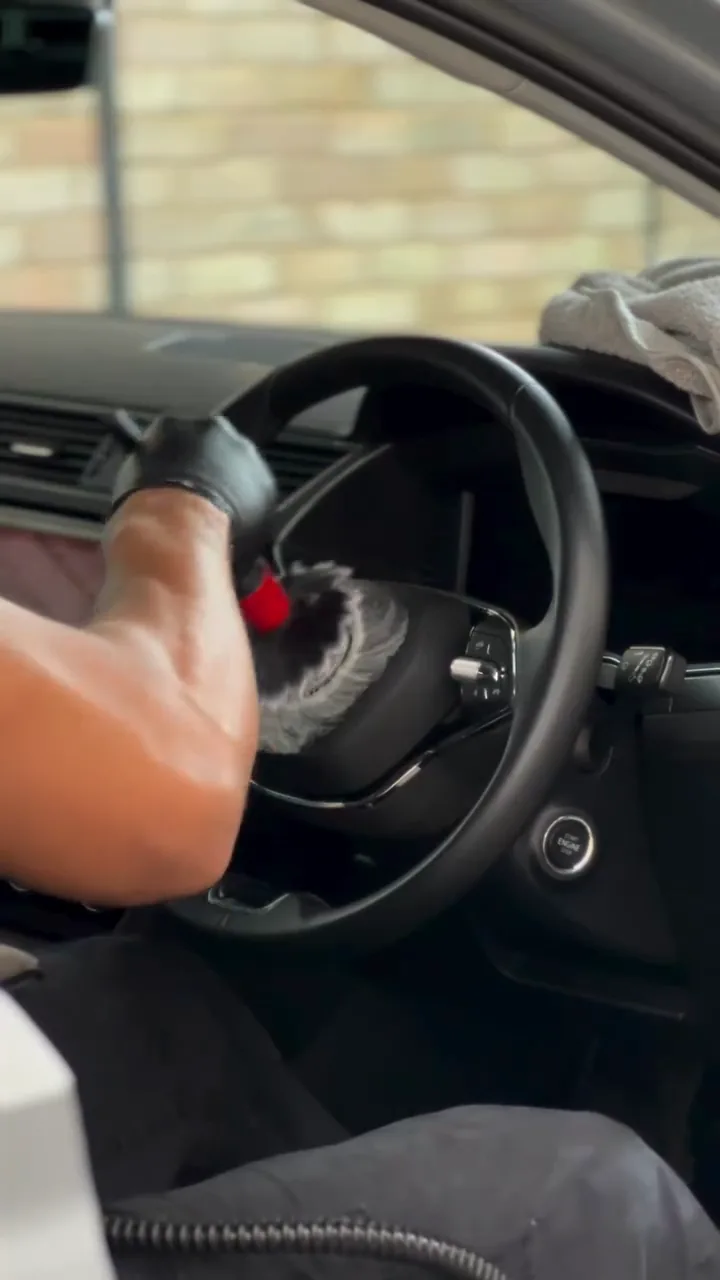
Buyers tend to judge a car in the first minute: the driver's seat, the steering wheel, the smell when the door opens, the wheels and the paint in daylight. Those are the places a pre-sale detail should concentrate on.
What Is Worth Doing Before You Sell
- Remove personal items and rubbish
- Clean the glass, touchpoints and storage areas
- Vacuum the seats, carpets and boot
- Clean the paint, wheels, tyres, trims and door shuts
- Remove bonded contamination where it is justified
- Treat manageable marks and stains
- Photograph the car in natural light straight afterwards
The Full Professional Mobile Detail from Prestige is a full detail inside and out at your doorstep, which makes it a practical pre-sale option.
Should You Pay For Polishing First?
Sometimes. A light polish can lift gloss and soften wash marks where the paint lets the car down, and a one-step polish can be added to the Prestige Full Detail. Full multi-stage correction is harder to justify on an ordinary used car unless its value and likely buyer warrant it.
Polishing cannot safely remove every scratch either. Defects through the clear coat need touch-up or refinishing, and thin or failing paint limits what can be done. Agree a realistic result before any polishing starts.
If the paint is badly swirled or oxidised, cut and polish is custom quoted by Kamran over the phone once he hears about the car.
What About Ceramic Coating Before A Sale?
A coating just before selling is not automatically the best use of the budget. Some buyers value protection; others will not pay extra for it. Coatings also need proper preparation, so they are not a quick fix for tired paint. Coating makes the most sense on a car you plan to keep. A wax or sealant may give the presentation and short-term protection a sale needs.
How Regular Detailing Protects Condition
Regular, safe cleaning removes contamination before it becomes harder to deal with, and stops the cabin wearing under built-up grime. It does not stop normal wear, UV, stone chips or accidents, but a car that has been looked after usually looks it. No coating is impact protection, and no interior treatment makes fabric or leather impossible to damage.
What To Avoid Before Listing The Car
- Covering a smell with heavy fragrance instead of finding the source
- Slippery dressing on the steering wheel, pedals or seats
- Aggressive last-minute scrubbing of stains or scratches
- Claims about coatings or restoration you cannot back up
- Hiding known damage in photos
- Spending heavily on looks before mechanical or safety issues
When To Book A Pre-Sale Detail
Leave enough time to check the result, let any damp areas dry and photograph the car before it gets dirty again. If repairs or specialist smell treatment might be needed, sort them out early rather than expecting everything to be solved on listing day.
A Sensible Pre-Sale Plan
- Check the car's likely market value and how you will sell it.
- Fix safety and mechanical priorities first.
- List the cosmetic issues a buyer will notice straight away.
- Set a detailing budget in proportion to the car.
- Agree a clear scope with realistic limits.
- Photograph and list the car honestly.
A clean, honest car is easier to judge than one that looks temporarily disguised, and that is what a pre-sale detail should deliver.