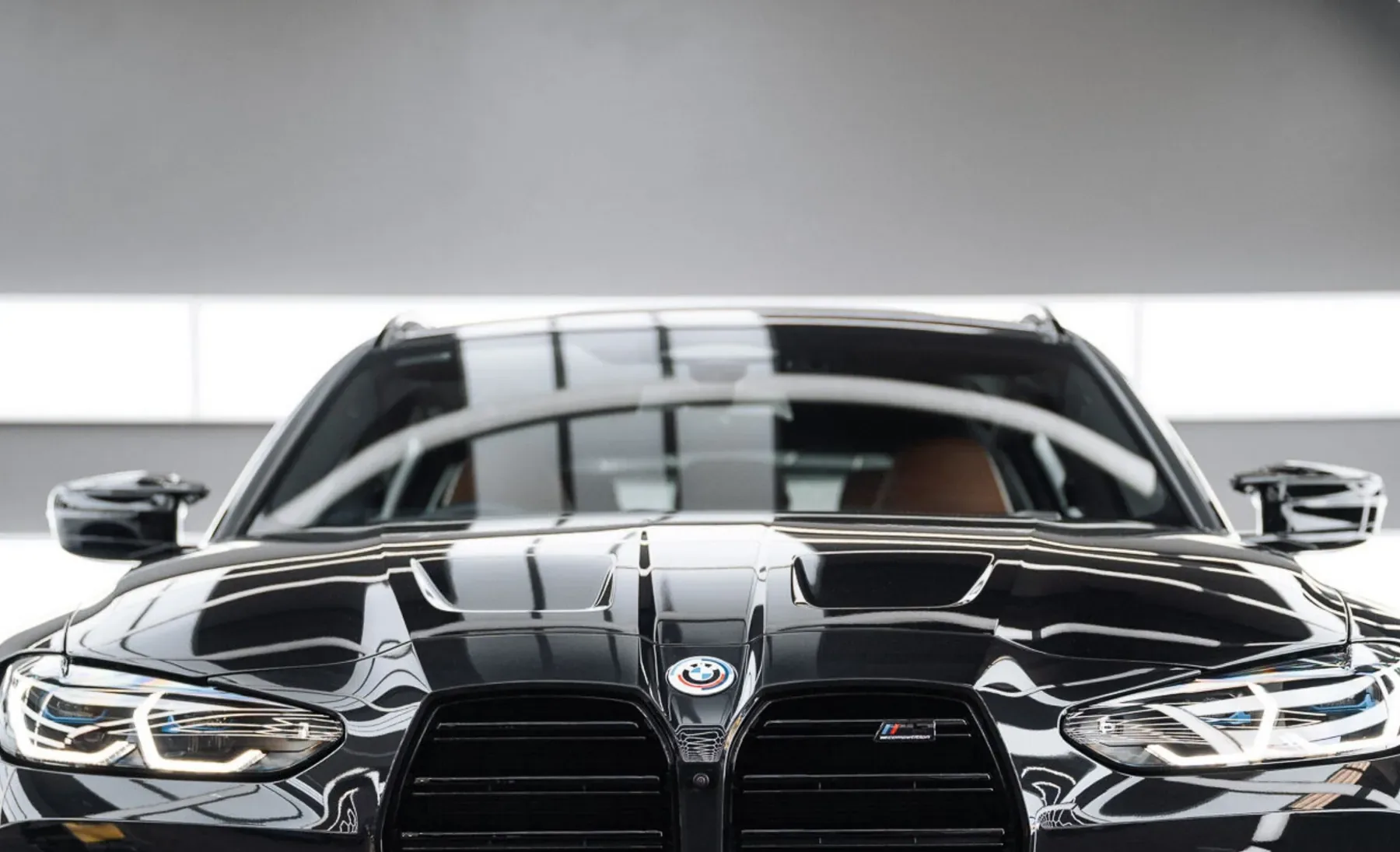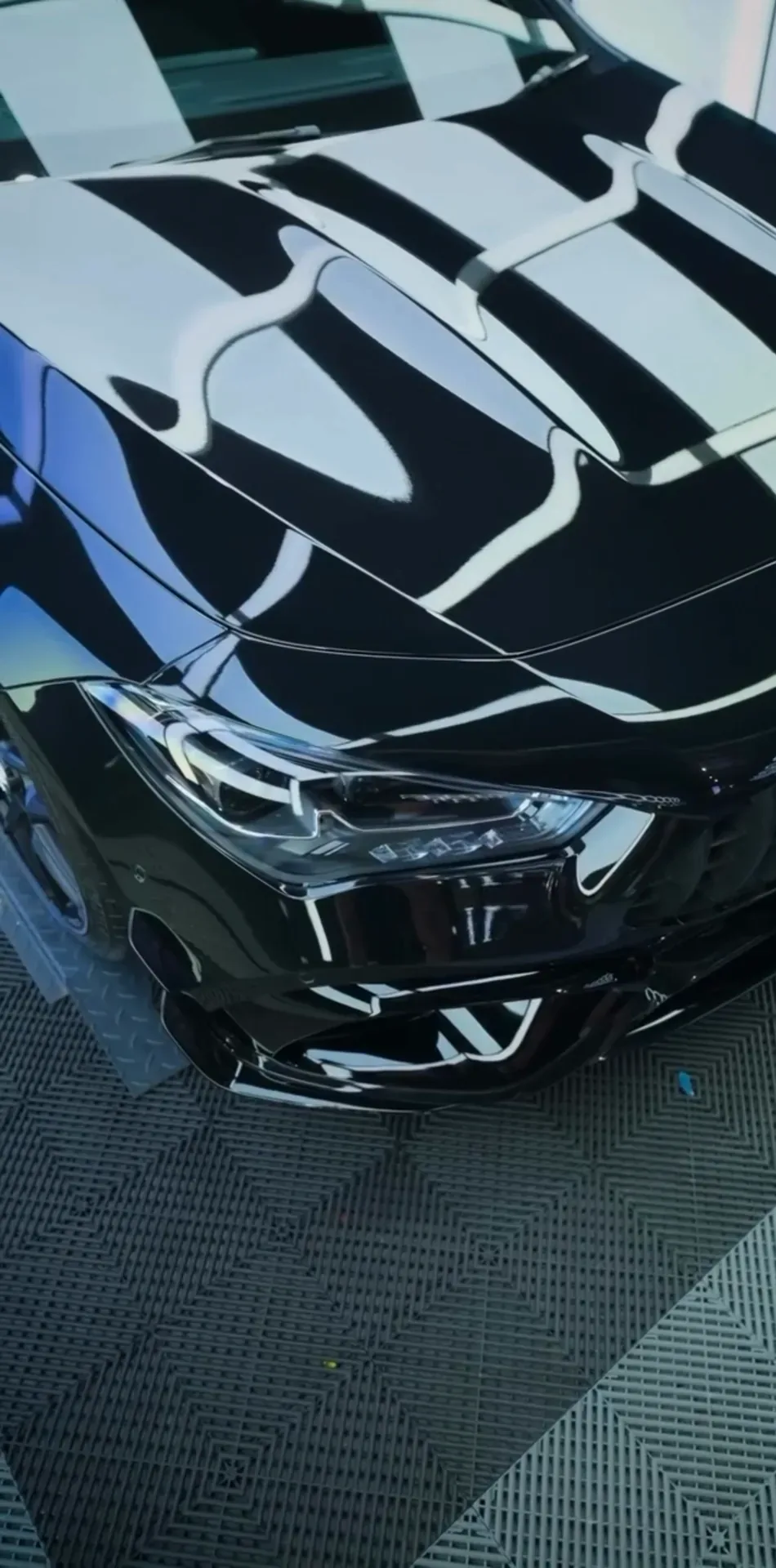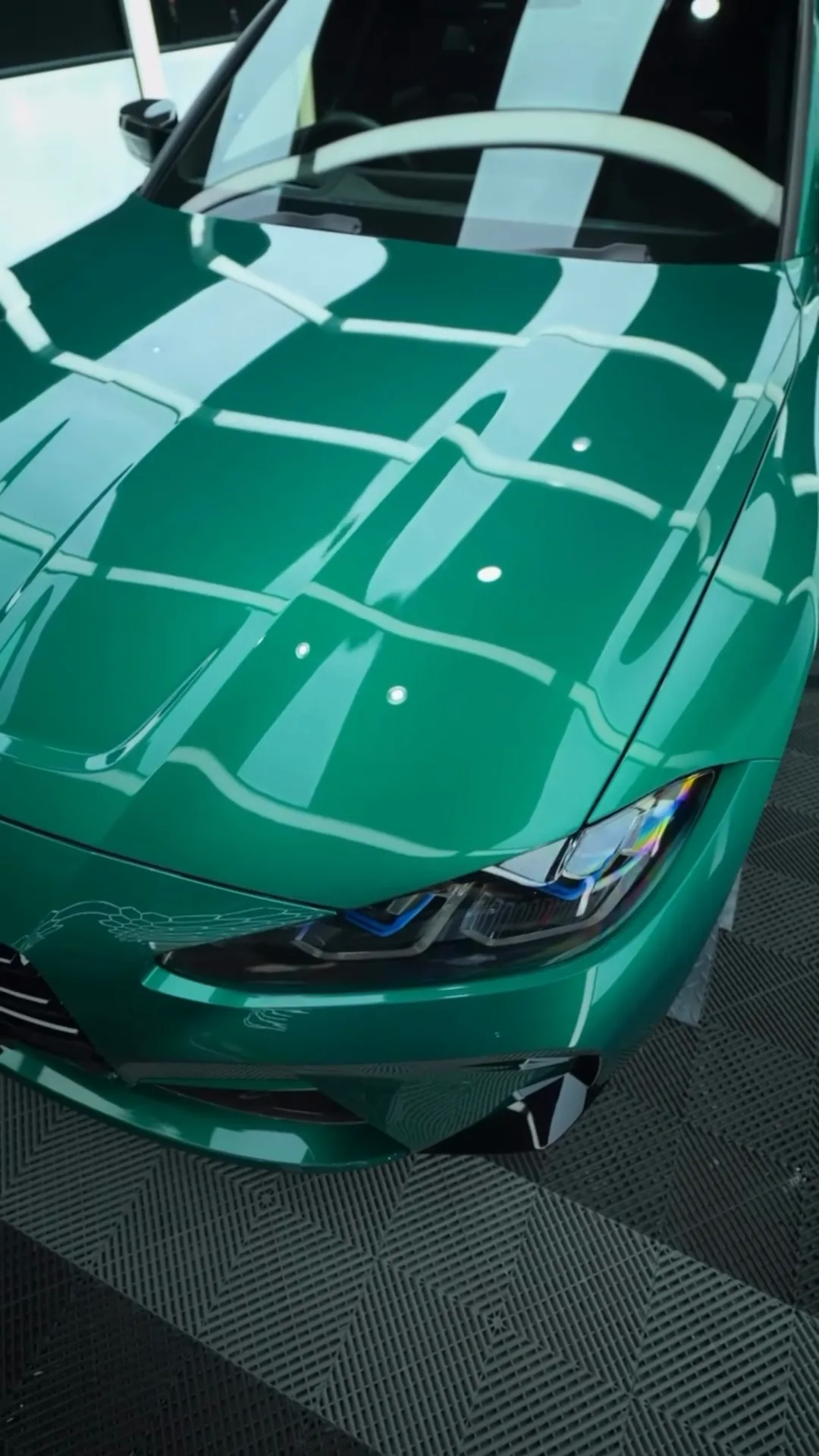
Ceramic coating is a liquid-applied protective product that bonds to a properly prepared surface and leaves a durable, water-repellent layer. On paint, it can add gloss, resist some chemicals and make the car easier to keep clean.
It is not a hard shell. It does not make paint scratch-proof, stop stone chips or fix existing defects. Its value is making a well-prepared finish easier to look after, with a layer between the paint and everyday contamination.
How Ceramic Coating Works
The coating goes on in a thin liquid layer after the paint has been cleaned and prepared. It spreads across the surface, cures and forms a bonded film rather than sitting on top like a wax.
Chemistry varies between products. Many automotive coatings are built on silicon-based compounds, but the word “ceramic” covers a wide range of formulations and application methods. That is why the product, the preparation and the person applying it matter more than a number printed on a bottle.
Once cured, the surface is slicker. Water and grime are less inclined to cling, so dirt lets go more easily when the car is washed correctly. The car still gets dirty, and water left to dry can still leave mineral spots.
The Practical Benefits
Easier Washing
Traffic film, bug residue and everyday grime tend to release more readily from a maintained coating. You still wash the car, but it is quicker and more predictable.
Resistance To The Elements
A good coating resists some chemicals, bird dropping residue and UV within the limits of the product. Removing droppings promptly still matters, because a coating can itself be etched or stained if harsh deposits are left on it.
Gloss And Slickness
Coatings add clarity and a slick feel. Most of the look, though, comes from the paint underneath. A coating locks in the finish you have; it does not hide swirls or restore failed clear coat.
Longer Life Than Basic Wax
Professional coatings are designed to outlast wax and spray sealants. Real-world life depends on exposure, kilometres, washing, storage and preparation, so treat any figure you see as general guidance only.
Why CQuartz Suits Wellington Conditions
Prestige Mobile Detailing applies CQuartz ceramic coating. It is a high-quality coating suited to New Zealand conditions, including strong UV and coastal environments, which is exactly what Wellington paint lives with: strong sun on clear days and salt air off the harbour and the south coast.
The Mobile CQuartz Ceramic Coating is applied by Kamran at your home or workplace, and quoted on your vehicle's type, size and condition.
What Ceramic Coating Does Not Protect Against
- Stone chips and road impact
- Scratches from keys, branches or brush car washes
- Dents and collision damage
- Swirl marks already in the paint
- Water spots when hard water dries on the surface
- Permanent marks from contamination left too long
- Clear coat failure, rust or poor paint repairs
Why Preparation Matters So Much
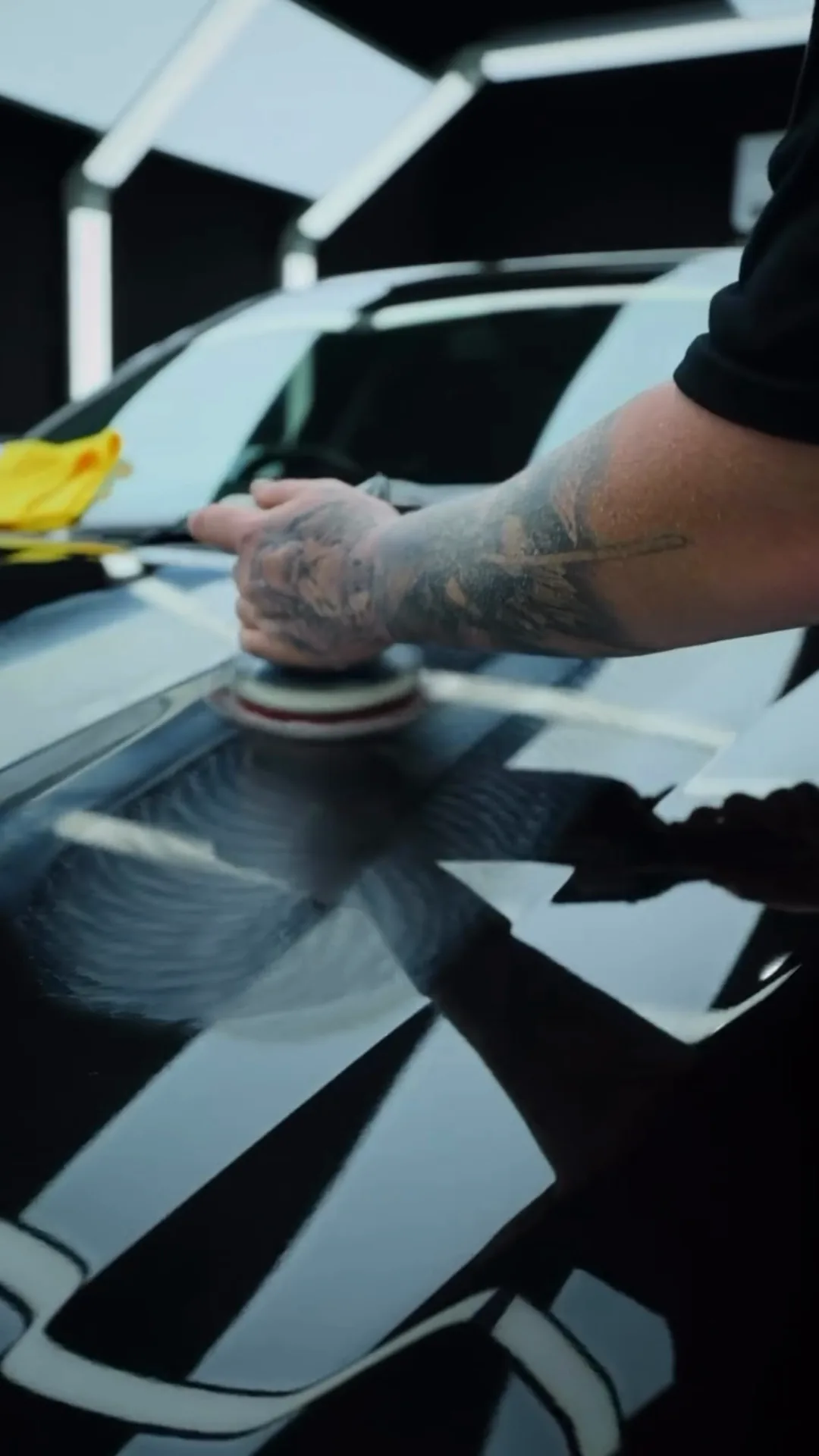
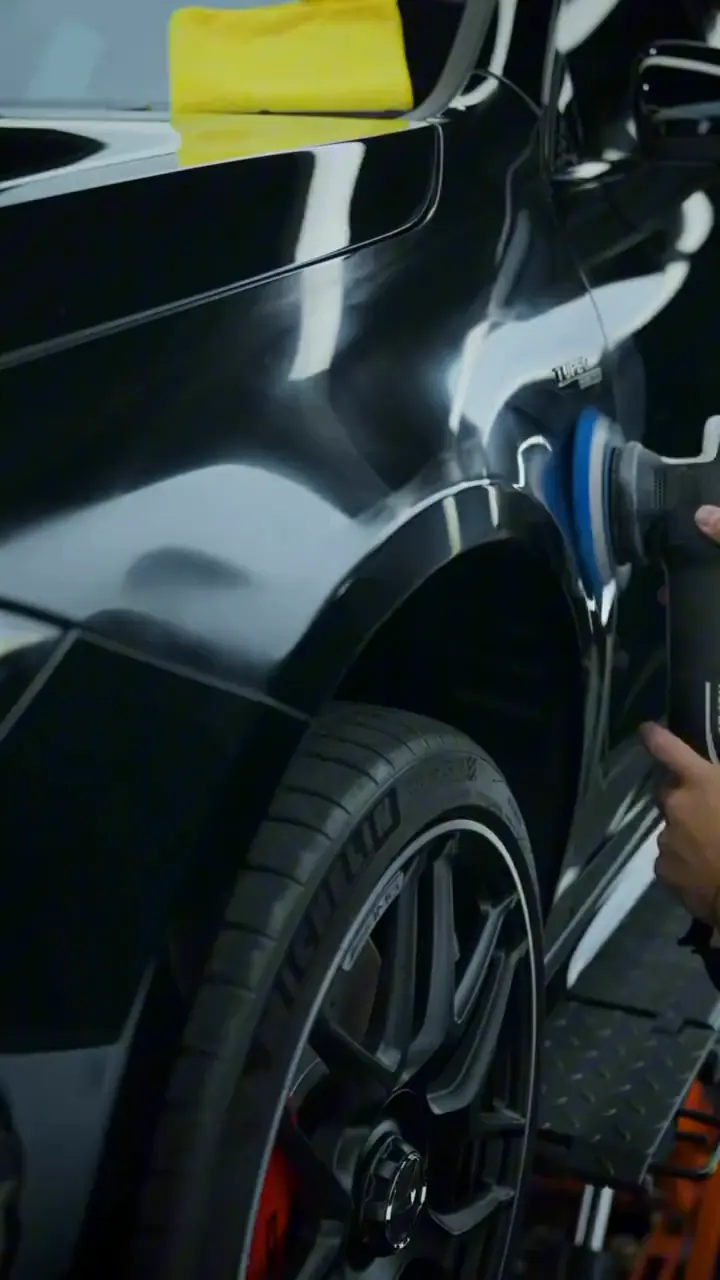
A coating bonds to whatever is on the surface on the day. Old wax, oils and bonded contamination get in the way, and swirls stay visible underneath. Preparation generally includes:
- A safe wash and a detailed clean
- Removing bonded contamination where needed
- A careful look at the paint in good light
- Machine polishing, if you want defects improved
- A final surface clean suited to the coating
- Careful application and curing
Not every car needs the same level of polishing. A well-kept car may only need cleaning and preparation; a marked one may benefit from correction if you want the defects gone.
If your paint is swirled, paint correction before coating means the finish you lock in is the one you want to keep. Kamran quotes correction over the phone. Our guide to ceramic coating preparation explains each stage.
Is It The Same As A Sealant?
No. A spray or paste sealant is a synthetic protectant that is quicker to apply and renew, but it generally does not last as long or resist as much as a properly applied coating. It can be a sensible middle ground between wax and a coating for some owners.
How Long Does A Ceramic Coating Last?
There is no universal lifespan. Coatings are marketed with claims that range from months to years, and every one of them depends on preparation, exposure and maintenance. Treat any figure as general industry guidance, not a promise for your car.
A coating can also still be there while its water behaviour changes, simply because the surface is dirty. Wash it properly before judging it.
Do You Still Wash A Coated Car?
Yes. A coating reduces the effort, not the need. Use compatible products, avoid brush car washes and follow the aftercare you are given. How to wash a ceramic coated car sets out a safe routine.
Questions To Ask Before You Book
- Which coating will be applied?
- What preparation is included?
- Is any polishing included, or quoted separately?
- Which surfaces are covered?
- What aftercare will you need to follow?
Is Ceramic Coating Worth It?
It can be, for owners who want easier washing and longer-lasting protection than wax, and who will still look after the car. It is poor value for anyone expecting scratch immunity or planning never to wash the car.
The age of the car matters less than the condition of the paint, how long you plan to keep it, where it is parked and what you expect. If you are weighing it up against the simpler option, read ceramic coating vs wax.