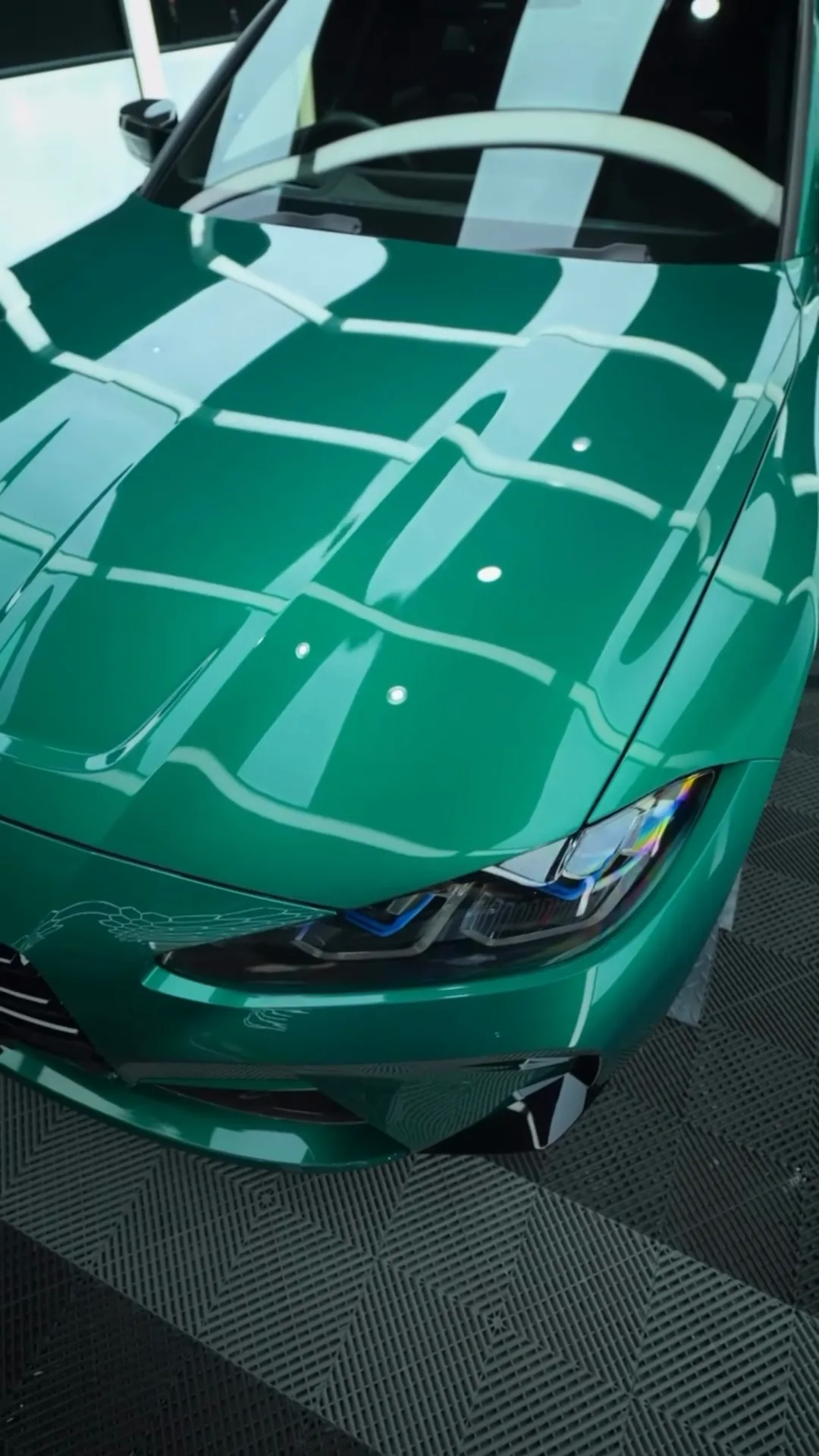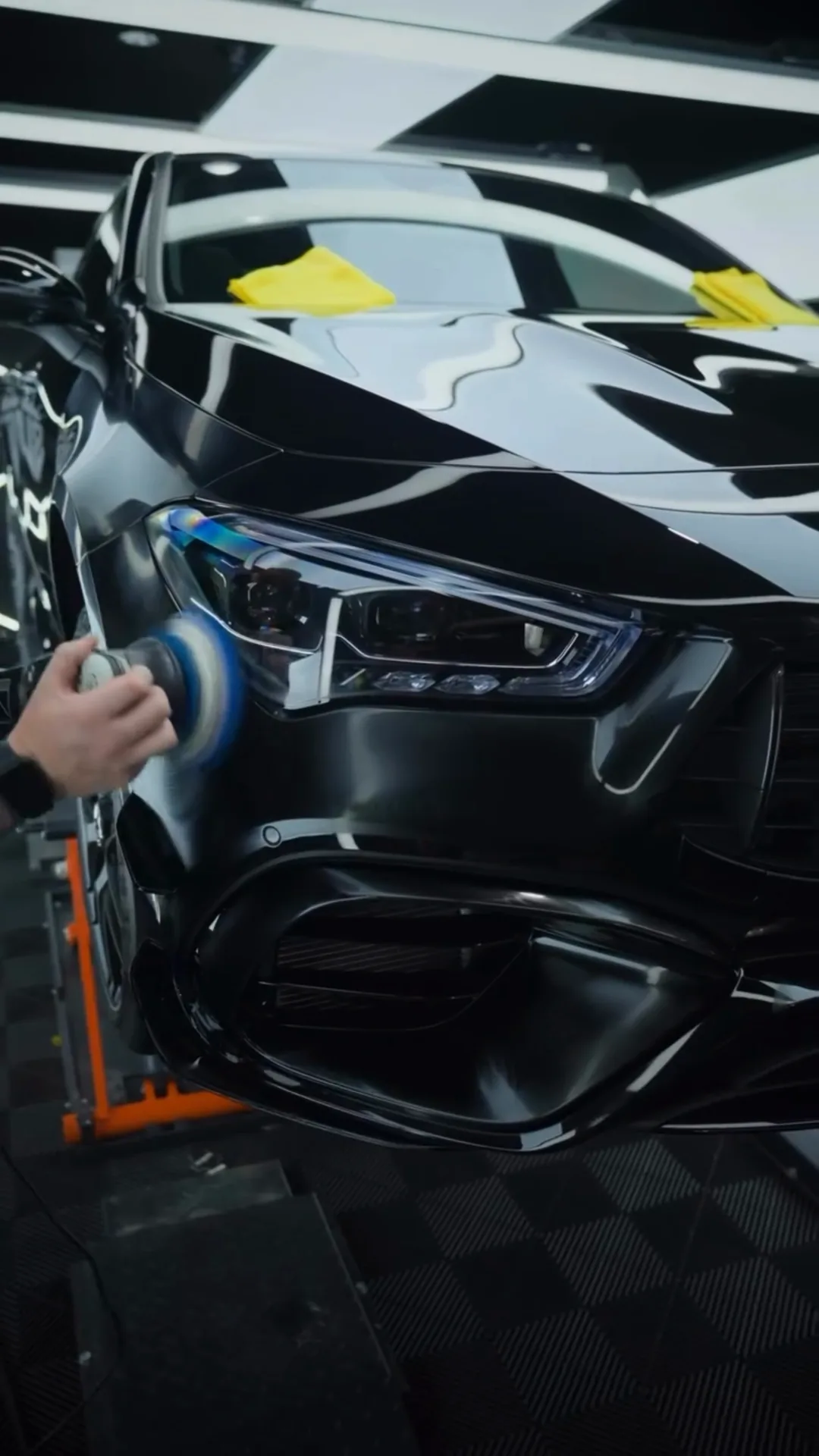
Ceramic coating preparation normally means a thorough wash, a close look at the paint, removing bonded contamination and a final clean of the surface. Paint correction is added when the paint has defects the owner wants improved, but it is not automatically needed on every car.
Preparation matters because a coating is clear and designed to stay put. Dirt, wax and defects left underneath are not fixed by a coating; they are locked in.
Every detailer works a little differently, but the stages below are the general order of work.
Stage 1: Agree The Goal
Start with what you want: easier washing, more gloss, or a corrected finish locked in for the long term. Someone after easier washing may choose different preparation from an enthusiast chasing every defect.
Mention any repaints, existing protection, matte paint or sensitive aftermarket parts, and how the car is parked and washed.
Stage 2: Inspect The Paint
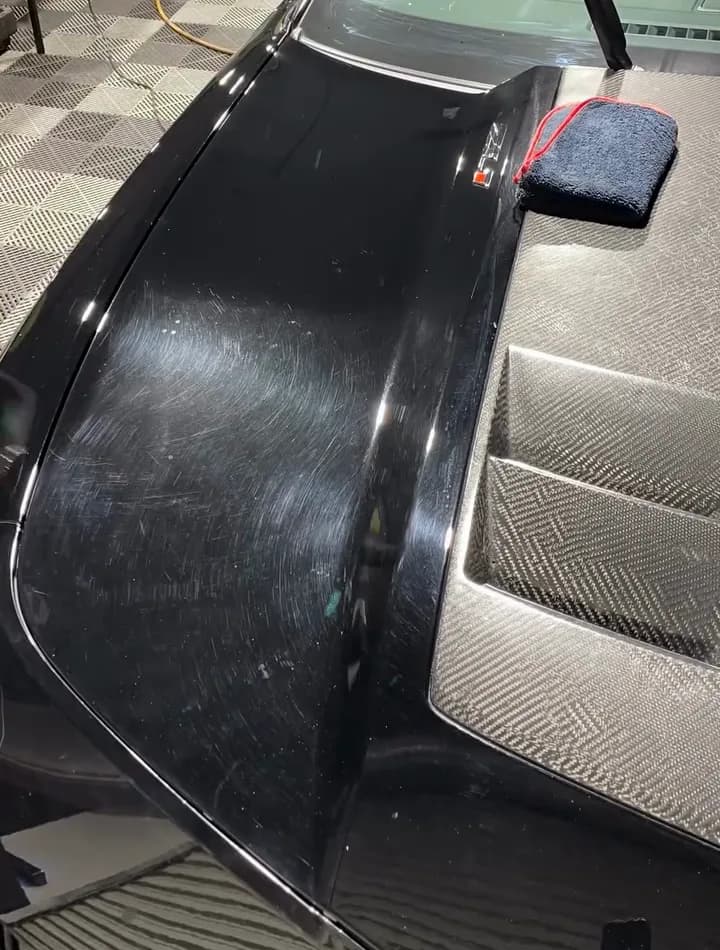
A careful look in good light shows swirls, water spots, overspray, chips and any repainted panels. Paint thickness readings can add information, but they do not identify every layer or remove the risk from polishing.
Some problems need a panel beater, not a detailer: a coating is never the answer to peeling clear coat or rust.
Stage 3: A Safe Wash
Loose dirt and traffic film come off first, with clean tools and gentle technique, so no new marks go in before the coating. That generally means the wheels, a pre-wash, a contact wash, the crevices and careful drying.
Stage 4: Remove Bonded Contamination
Some contamination survives a wash: tar, sap, mineral deposits and fine particles. Chemical decontamination can target some of it, and a clay bar lifts much of the rest, with plenty of lubrication. Because clay can mar paint, it is used when the surface needs it, not out of habit.
The paint is worth another look afterwards, because defects that the contamination was hiding become easier to see.
Stage 5: Decide On Paint Correction
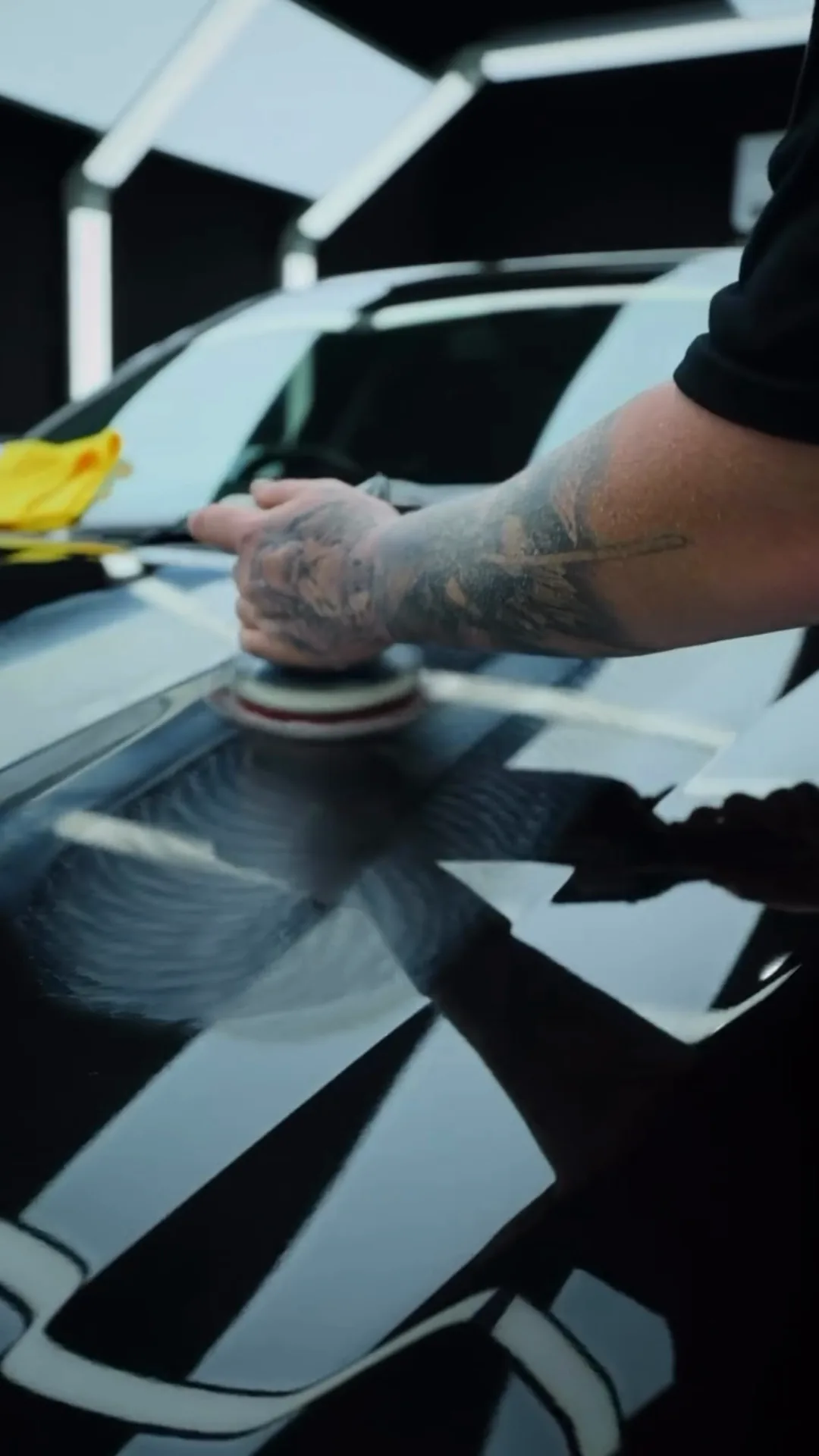
Correction uses machine polishing to reduce swirls, haze, oxidation and light scratches within safe limits. Deep scratches, chips and failed clear coat remain whatever the level. There are three common paths:
- Clean and prepare only: for paint already in good condition.
- A single polishing stage: for a useful gloss lift and lighter defects.
- Multi-stage correction: for owners who want swirls and defects properly reduced, where the paint allows.
At Prestige, paint correction and cut and polish are custom quoted by Kamran over the phone, so you know the plan for your paint before any work starts.
Stage 6: A Final Surface Clean
Polishing residue, oils and old protection are removed so the coating has a clean, stable surface to bond to. This is not a case of wiping the paint with the strongest solvent available: fresh paint, trim and sensitive finishes need suitable methods.
Stage 7: The Right Conditions To Apply
Every coating has its own instructions for application and curing. The car should be dry, and the temperature, humidity and moisture should sit within what the product allows. Dust, wind and rain all matter for a mobile application.
With a mobile coating, that means a suitable spot and the right day. Tell Kamran in your enquiry where the car will be parked; a garage or carport helps on a wet or windy Wellington day.
Can A Coating Go On Without Polishing?
Yes, when the paint is clean, stable and already looks the way you want. Polishing improves appearance; it is not a bonding requirement for every car. A quick wash alone is rarely enough preparation, though: contamination and paint condition still need checking.
Does Matte Paint Change Things?
Yes. Matte finishes must not be polished in the usual way, because any change in sheen can become permanent. Each surface also needs a coating suited to that material, so identify every surface on the car before the quote.
Why Preparation Is Most Of The Work
Applying the coating is often a smaller share of the job than owners expect. Washing, decontaminating, checking and, where needed, polishing the paint is where the effort goes, and it is what decides how the finished car looks.
Why Preparation Can Change The Quote
Photos do not always show bonded contamination, paint hardness, earlier repairs or how deep the defects go. A good quote explains what could change, and that any change needs your approval first.
After The Coating Goes On
The coating needs time to cure before it meets water or a wash, and how long depends on the product and the conditions. Ask for the first-wash advice before the detailer leaves, then follow how to wash a ceramic coated car for the routine after that.
What To Do Before Your Appointment
Remove personal items, avoid applying fresh wax or sealant, and mention any repairs. Do not try aggressive polishing at home right before a professional look at the paint.
The Finish Is Built First
The coating is the last step; the result is decided by everything before it. The Mobile CQuartz Ceramic Coating is custom quoted on your car's type, size and condition, then applied by Kamran at your home or workplace. CQuartz is suited to New Zealand conditions, including strong UV and coastal environments.