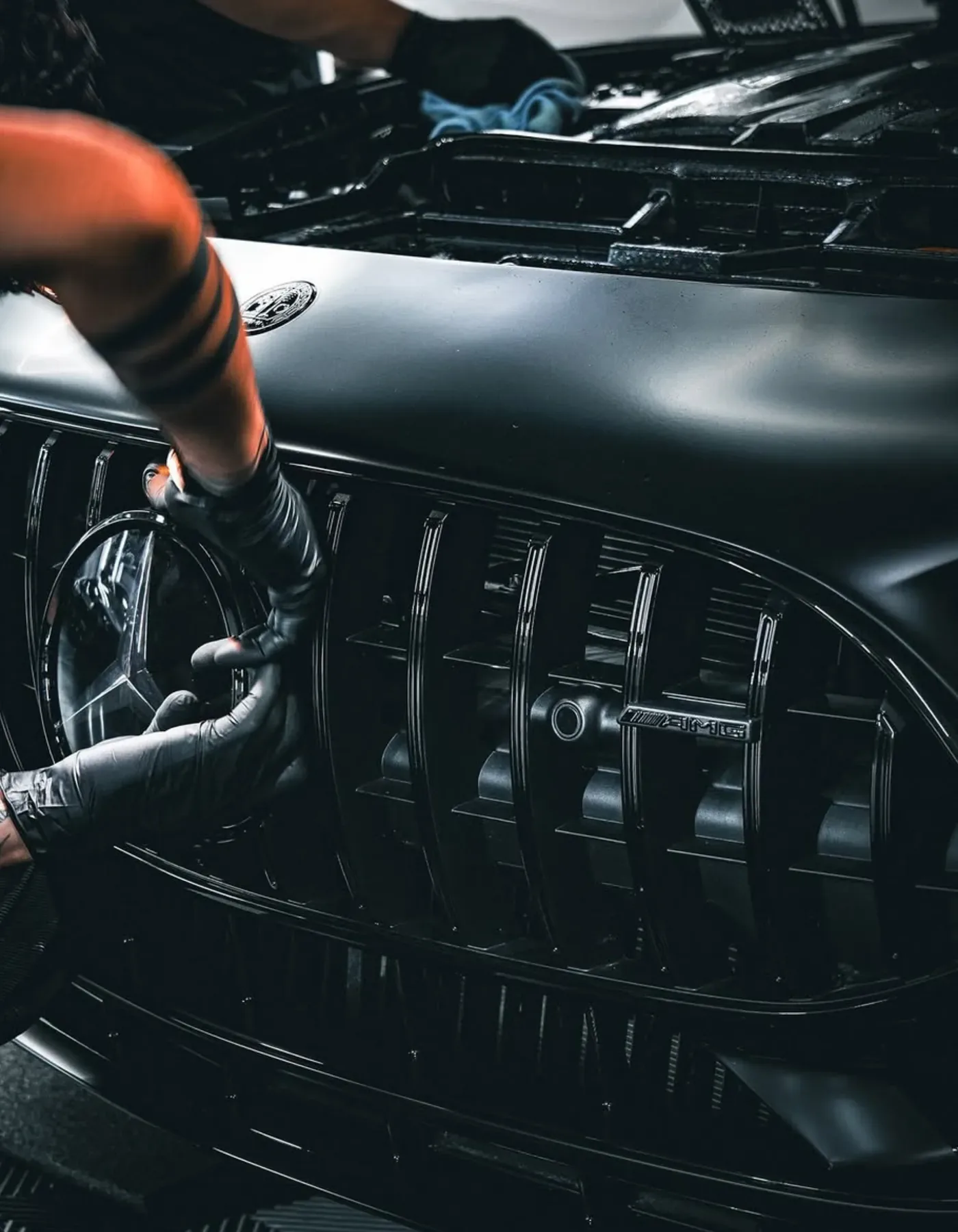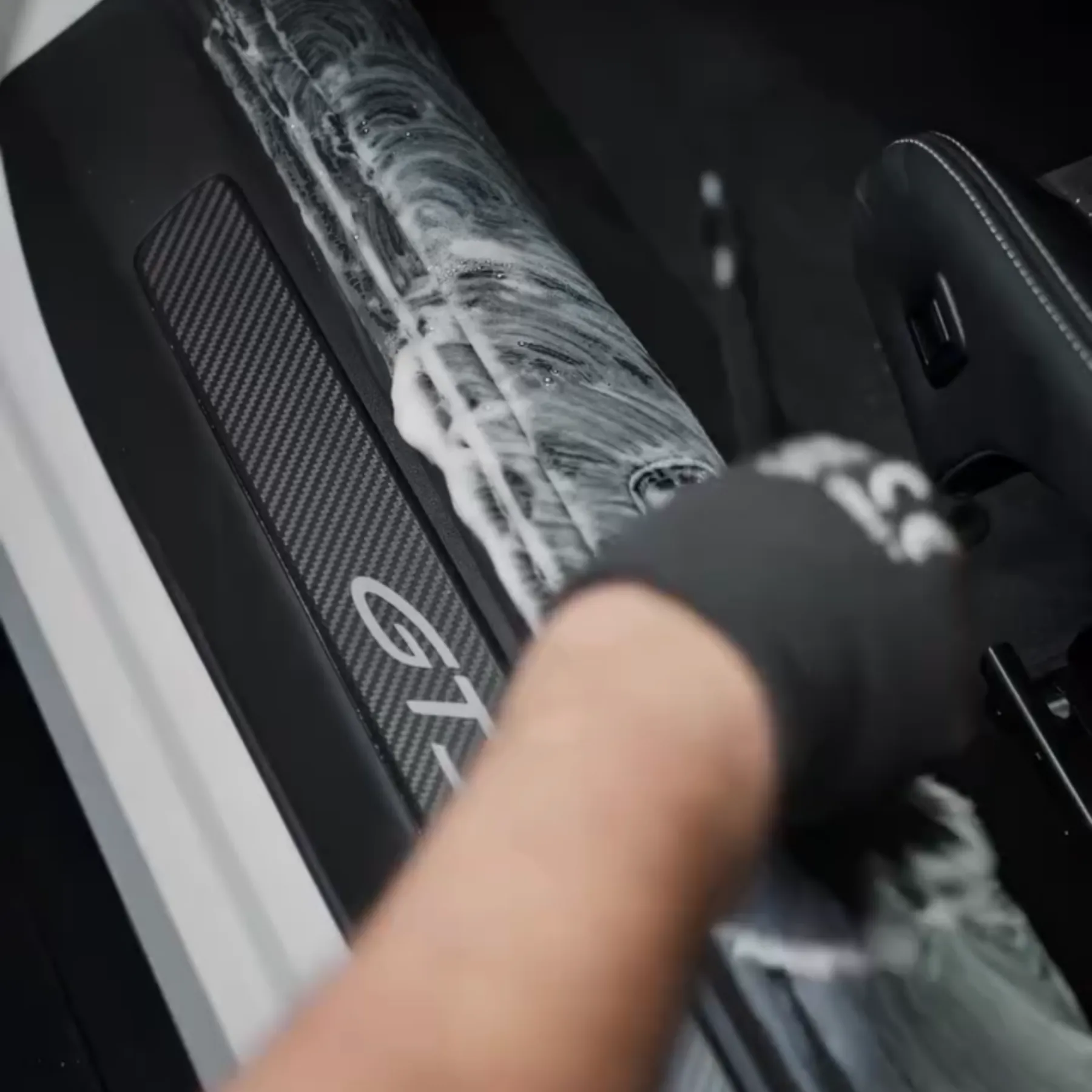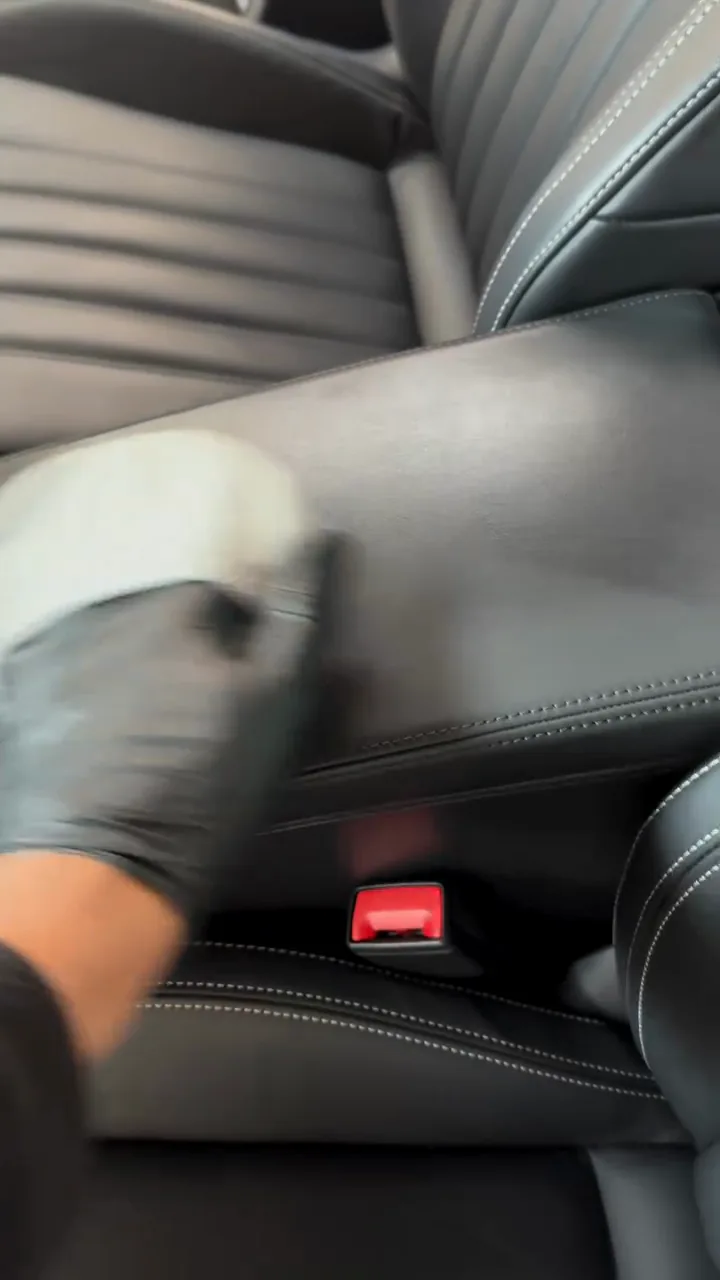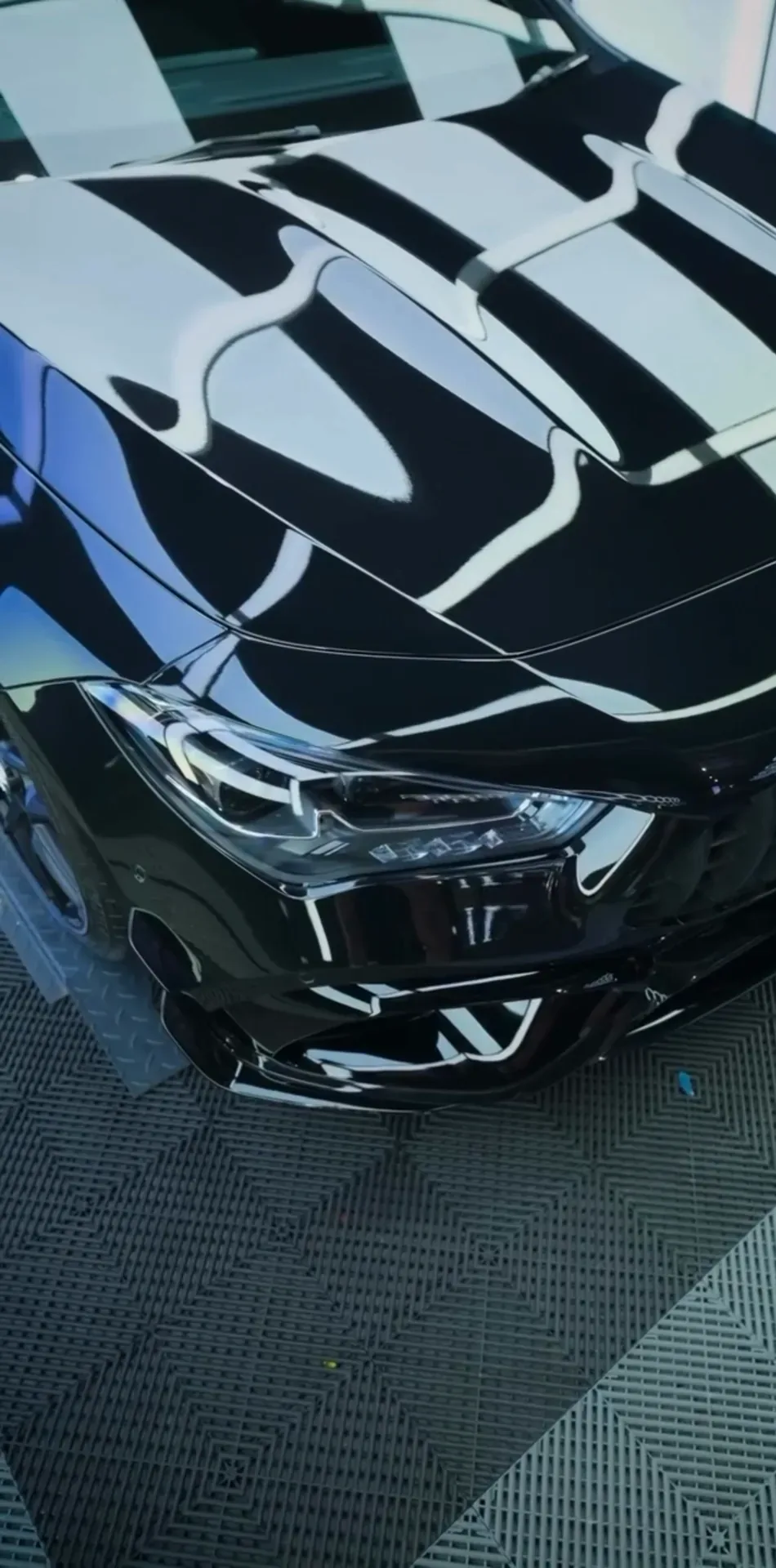
A sensible starting point for most regularly driven cars is a full professional detail every four to six months. That is a general guide, not a rule. A daily family SUV parked on the street may need attention sooner, while a garaged weekend car can go longer.
The right interval depends on how the car is used, where it is kept, what protection it has and what you expect a detail to achieve. Regular washing matters too: a professional detail cannot make up for months of neglect in between.
A General Guide To Detailing Frequency
- Every one to three months: cars carrying children or pets, work vehicles, cars parked outside, or owners who want a consistently high standard.
- Every four to six months: most daily drivers that are washed reasonably often.
- Every six to twelve months: lightly used, garaged cars that are well looked after.
- Only when needed: specialist work such as paint correction, which should follow the condition of the paint, not the calendar.
These intervals describe a full professional detail, not ordinary washing. Most cars still need a wash every week or few weeks in between.
Your Car May Need Detailing Sooner
Two cars of the same age can need completely different care. Think about how often yours deals with:
- Outdoor or on-street parking
- Bird droppings, tree sap or insect residue
- Salt air near the coast
- Dusty, muddy or unsealed roads
- Long motorway runs
- Children, pets, food and sports gear
- Work tools or beach trips
- Long gaps between washes
In Wellington, salt air off the harbour and the south coast settles on cars parked near the water, and plenty of cars live on the street rather than in a garage. If several of the points above apply, waiting for a fixed date can let grime build into something harder to shift.
Does Where You Park Matter?
More than most people expect. A garaged car is sheltered from UV, bird droppings, sap and salt air. A car on the street or under a tree collects all of them, and needs washing and detailing more often to stay on top of it.
What Counts As A Detail?
The word is used loosely. A maintenance clean keeps a car tidy and tops up any protection. A full detail works through the whole car inside and out. A deeper service may add decontamination, stain treatment or machine polishing.
Paint correction is something else again: it removes a very small amount of clear coat to reduce swirls and scratches, so it should never be repeated just because a date has come round.
Ask what is actually included before you compare quotes or intervals. The Full Professional Mobile Detail from Prestige is done at your doorstep and quoted on your car's size and condition.
How To Tell Your Car Is Due
The Paint Feels Rough After Washing
Bonded contamination can stay on the paint after a normal wash. Do not scrub harder, because friction adds marks. A clay bar treatment lifts it, and Kamran can include one in the Full Detail if you ask.
Water Behaves Differently On The Paint
Slower sheeting or weaker beading can mean contamination or worn protection. Clean the car properly before deciding anything has failed.
The Cabin No Longer Responds To A Quick Clean
Lingering smells, built-up grime, embedded pet hair and visible stains usually mean a vacuum and a wipe are no longer enough. Some stains and smells cannot be promised to disappear completely, especially once they reach the underlay.
You Are Avoiding Parts Of The Car
Sticky cupholders, a cluttered boot, dirty door shuts and neglected wheels tend to get worse because they are awkward. A full detail resets them and makes regular upkeep easier.
Do New Or Coated Cars Need Less?
A new car still collects traffic film, mineral deposits, spills and cabin grime. A ceramic coating, wax or sealant makes washing easier and adds a layer between the paint and contamination, but no protection makes a car self-cleaning or scratch-proof.
Protected cars do best with regular, gentle maintenance rather than long gaps, and the detail itself is often lighter work when grime is dealt with early. The routine is in how to wash a ceramic coated car.
Can You Detail A Car Too Often?
Gentle maintenance cleaning can be frequent. Aggressive work should not be. Harsh chemicals, unnecessary extraction, repeated machine polishing and poor washing technique add wear rather than prevent it.
The better question is which is the least aggressive service that gets the car where you want it. A trustworthy detailer should be comfortable recommending a lighter service when a bigger one is not needed.
A Practical Year For A Daily Driver
Regular safe washes, a quick interior tidy when it needs one, a full detail every four to six months, and specialist work only when the condition calls for it.
Adjust it when life changes: a new dog, a season of street parking, a long road trip or a change in how the car is used for work all count. Book the next detail when routine care stops bringing the car back, rather than when a date arrives.
Unsure where your car sits? Read the seven signs your car needs detailing and start from its current condition.