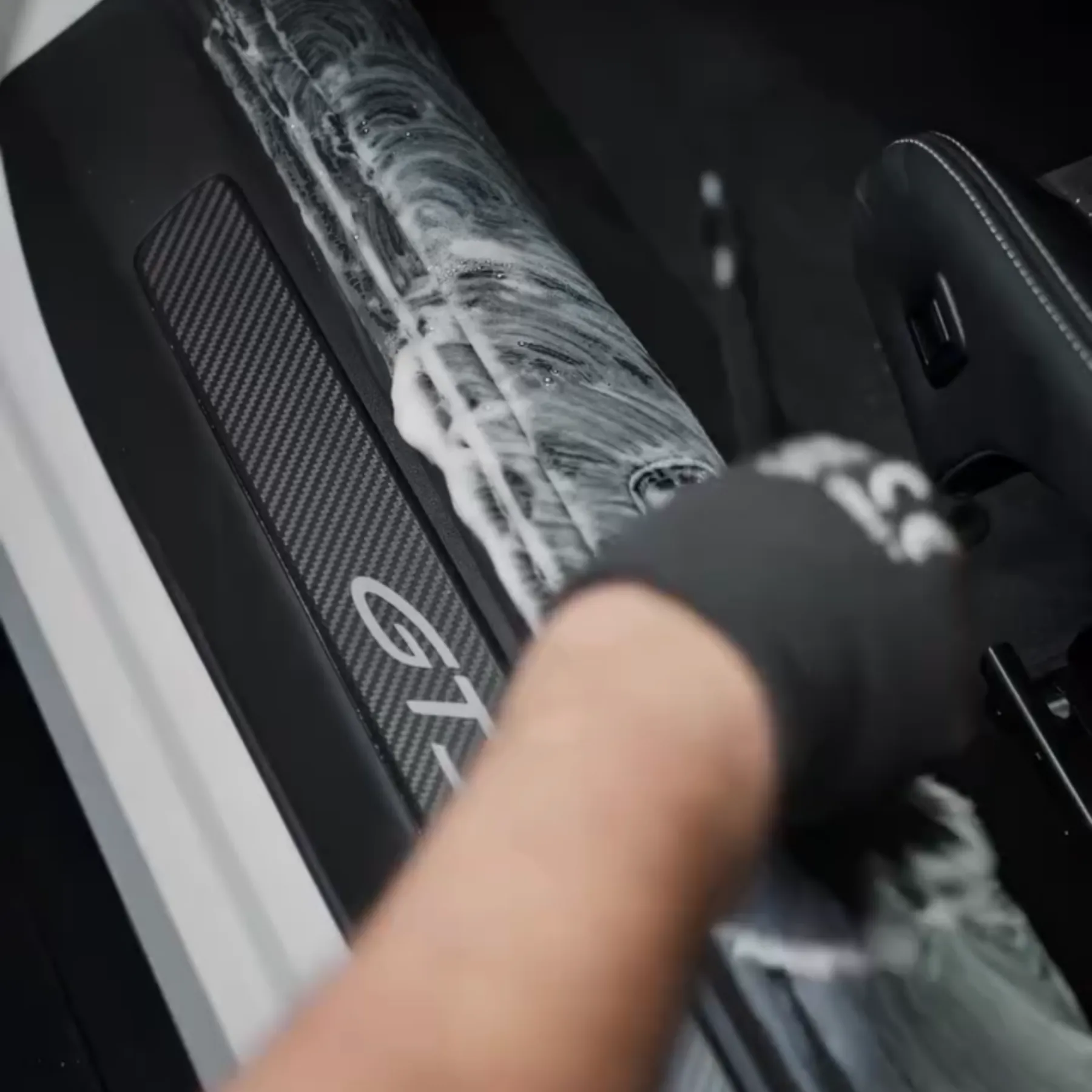
The clearest signs your car needs detailing show up when normal washing, vacuuming and wiping stop solving the problem. Rough paint, returning smells and grime in hard-to-reach places are stronger clues than any date on the calendar.
Not every sign calls for the same service. Use the seven below to identify the problem, then choose the least intensive service that fixes it.
1. The Paint Feels Rough After A Wash
Clean paint should feel smooth. Roughness usually means bonded contamination, such as road deposits, overspray or fine particles, that shampoo does not remove. Do not scrub harder. A clay bar treatment, used with proper lubrication, lifts it off. To check, run your fingertips over clean, dry paint inside a thin plastic bag: any roughness you feel is bonded contamination.
Clay can leave light marring of its own, so it should be followed by a look at the paint and never used more aggressively than needed.
Kamran can include a clay bar in the Full Professional Mobile Detail if you ask for it when you book.
2. The Interior Still Feels Dirty
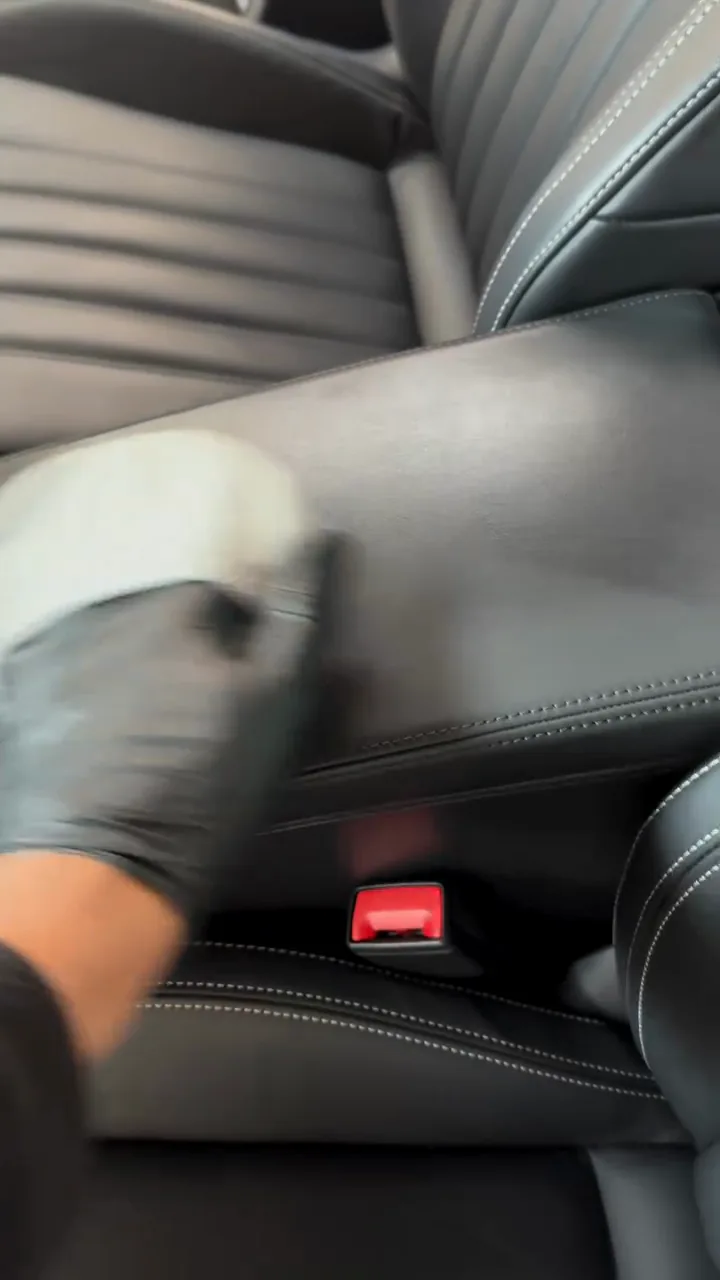
A vacuum removes loose debris but not oily touchpoints, grime in textured plastics or spills in fabric. If the cabin feels sticky, dusty or stale soon after a quick clean, it needs a proper reset with the right product for each material.
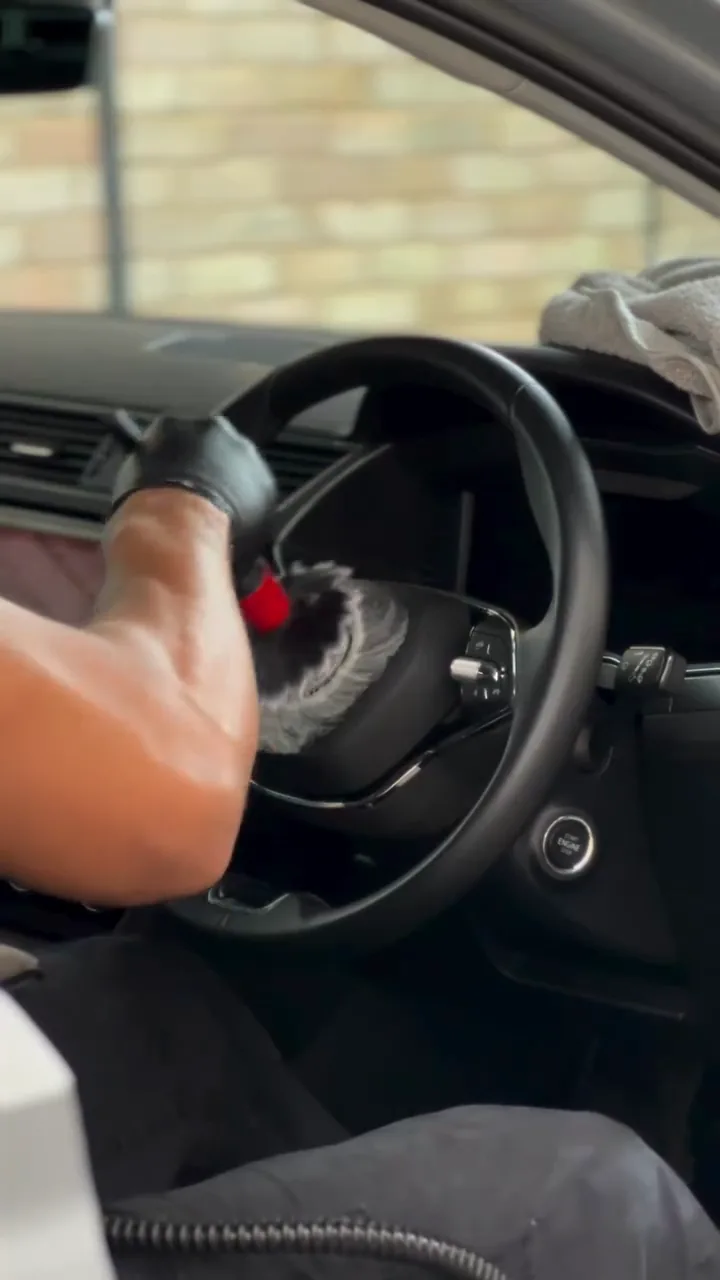
The touchpoints go first: the steering wheel, the gear selector, door handles and screens collect oils fastest. Leather, fabric, soft-touch plastics and screens should not all get the same product.
3. Stains Or Smells Keep Coming Back
A stain that reappears as fabric dries may have residue below the surface. A smell may come from food under a seat, damp carpet underlay, smoke residue, a water leak or the air conditioning.
Detailing improves many stains and smells, but nobody should promise complete removal before finding the source. Permanent dye change, damaged fibres, mould and leaks may need repair or a specialist. Carpet that never quite dries is worth checking for a leak before any cleaning.
4. Water Behaves Differently On The Paint
If water beads or sheets differently, the surface may be contaminated or its protection may be wearing. That is a reason to clean and inspect, not proof a coating has failed. The next step may be a proper wash and decontamination, a compatible top-up or new protection, depending on what is on the paint.
5. Wheels And Tight Areas Are Building Up
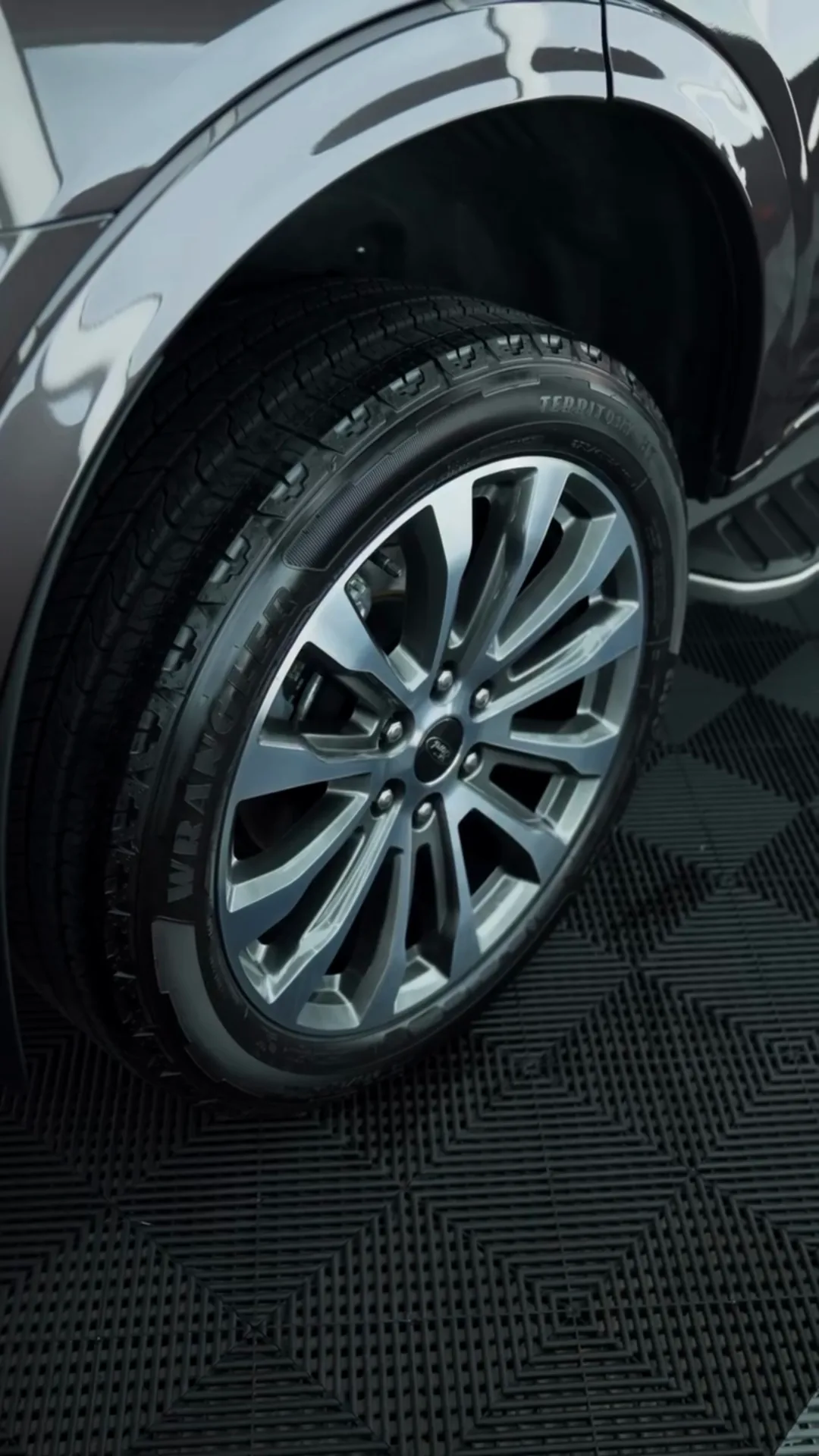
Wheel faces, badges, grilles, door shuts, cupholders, seat rails and the edges of the boot hold dirt because they are awkward to reach. Once they build up, the grime spreads back onto clean surfaces.
Check what a package covers, because not every service includes deep wheel cleaning, the arches or removing seats.
6. The Paint Looks Dull In Sunlight
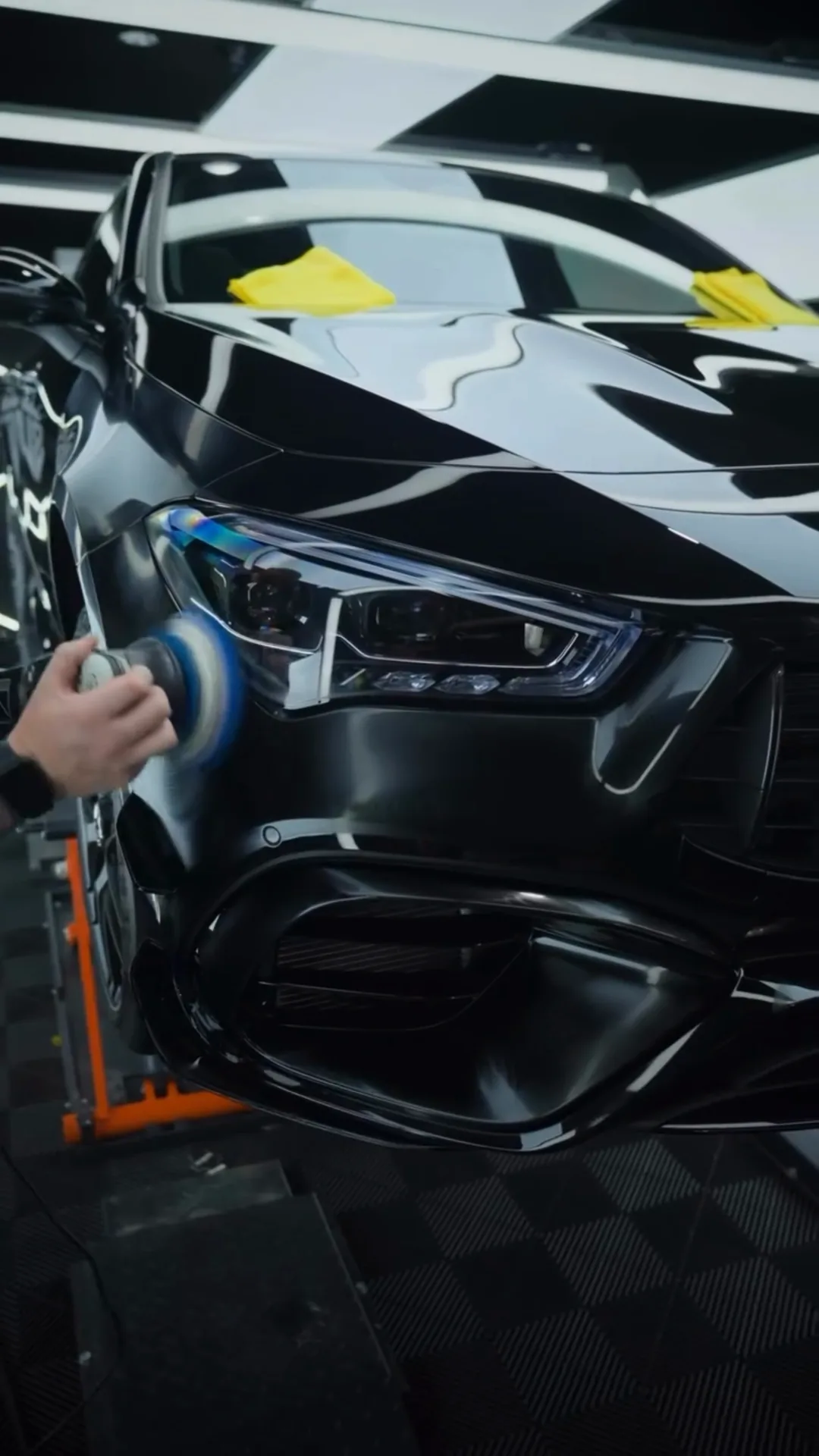
Washing removes dirt, not defects. Fine circular scratches and oxidation scatter light and make clean paint look grey and flat. Fillers can improve the look for a while; machine polishing levels some defects for good. Look at the paint in direct sun or with a torch: swirls show as fine circles around the light.
Correction has limits: deep scratches, thin paint and failed clear coat restrict what is safe. A one-step polish can be added to the Prestige Full Detail to lift tired gloss. Heavier swirls call for paint correction, which Kamran quotes over the phone.
More on that in why car paint looks dull after washing.
7. The Way You Use The Car Has Changed
A new dog, young children, a longer commute, a move to on-street parking, building work nearby, a long road trip or regular runs on unsealed roads can overwhelm your old routine. In Wellington, a car parked near the harbour or the south coast also lives with salt air.
The car does not need to look disastrous before you adjust. A professional reset followed by a simpler routine is easier than waiting for heavy build-up.
Does One Sign Mean A Full Detail?
Not always. Matching the service to the problem keeps the cost in proportion:
- Rough paint points to a wash and a clay bar treatment.
- Weaker water behaviour points to a proper wash and a look at the protection.
- A stubborn interior problem points to the cabin first.
- Dull or swirled paint points to polishing or correction, not an interior clean.
- Neglect across the whole car points to a full detail inside and out.
What To Tell The Detailer
Explain when the problem started, what you have already tried and what matters most. For paint, a few photos in good light help. For the interior, mention the likely source of a stain or smell and any leaks.
Mention recent paintwork or an existing coating too. The more Kamran knows from your enquiry, the better the plan for your car.
Act Early Without Overdoing It
Removing bird droppings, spills and other harsh contamination promptly reduces the chance of a lasting mark. That does not mean every concern needs aggressive treatment: repeated polishing, harsh chemicals and unnecessary extraction add wear of their own. Start with the least intensive service that fixes the problem, and step up only if it does not.